Wednesday, December 13, 2023

Is it legal to drive after taking a prescription drug?

Have you ever wondered if it’s legal to drive after taking prescription drugs? The answer is not as straightforward as you may think. While it’s possible to legally drive after taking certain prescription drugs, you can also be charged with driving while intoxicated (DWI) if the substance impairs your ability to safely operate a vehicle. This applies not only to prescription drugs but also to over-the-counter medications like NyQuil. 

If you or a loved one has been charged with a DWI after consuming prescription drugs, it’s crucial to seek legal help from an experienced New Jersey DUI lawyer. At The Kugel Law Firm, our team of skilled New Jersey DUI attorneys may be able to help you understand your rights, review possible defenses, and work towards the best possible outcome for your case. Call us today at (973) 854-0098 to schedule a consultation.

Can You Get a DUI for Prescription Drugs in New Jersey

In recent years, the enforcement of prescription drug DUI laws in New Jersey has increased to combat drugged driving. As a result, police officers have become more vigilant in identifying and stopping individuals suspected of being under the influence of drugs. Despite common misconceptions, prescription drugs can lead to a DUI arrest in New Jersey, even if they were lawfully prescribed. The penalties for a prescription drug DUI conviction can include losing driving privileges, hefty fines, and jail time.

Anyone charged with a prescription drug DUI in New Jersey should be aware of the state’s laws and potential consequences. Seeking legal counsel is recommended, and being well-informed can help navigate the situation more effectively. 

New Jersey’s DUI definition is not limited to alcohol, as driving while impaired by prescription drugs is also illegal under state law (N.J.S.A 39:4-50). A DUI offender is defined as someone who operates a motor vehicle while under the influence of intoxicating liquor, narcotic, hallucinogenic, or habit-producing drugs.

Some prescription drugs are considered narcotics under the law. To be convicted of a prescription drug DUI, it must be proven beyond a reasonable doubt that the drugs were in the driver’s system during the traffic stop and arrest and that their driving was potentially hazardous due to the medication’s consumption.

Specific prescription drugs that can be considered intoxicating under the law include cough syrup, sleeping aids, antidepressants, allergy medication, painkillers, and muscle relaxants. Even if these drugs are legally prescribed, it does not exempt someone from DUI charges. If unprescribed drugs are found in the vehicle during the arrest, additional charges, such as illegal drug possession, may also be brought against the driver.

Prescription Drug DUI Laws in New Jersey Details
Definition of DUI in New Jersey Driving while impaired by prescription drugs is illegal under state law (N.J.S.A 39:4-50). A DUI offender in New Jersey is someone who operates a motor vehicle while under the influence of intoxicating liquor, narcotic, hallucinogenic, or habit-producing drugs.
Penalties Penalties for a prescription drug DUI conviction in New Jersey can include losing driving privileges, hefty fines, and jail time. Being charged with a prescription drug DUI requires understanding the state’s laws and seeking legal counsel is recommended.
Proving Intoxication To convict someone of a prescription drug DUI, it must be proven beyond a reasonable doubt that the drugs were in the driver’s system during the traffic stop and arrest, and that their driving was potentially hazardous due to the medication’s consumption.
Types of Prescription Drugs Prescription drugs that can be considered intoxicating under the law include cough syrup, sleeping aids, antidepressants, allergy medication, painkillers, and muscle relaxants. Legal prescription status does not exempt someone from DUI charges.

Is It Illegal to Drive on Prescription Drugs?

In New Jersey, as in many other states, it is indeed illegal to drive while impaired by prescription drugs. This may come as a surprise to some, given that these substances are often legally prescribed by physicians. Nonetheless, laws against driving under the influence (DUI) apply not only to alcohol but also to prescription drugs that may impair a driver’s ability to operate a vehicle safely.

The enforcement of these laws has been increasing in recent years, as part of efforts to combat the issue of drugged driving. Law enforcement officers have been trained to identify and apprehend individuals who may be driving while under the influence of these medications.

The legal statute (N.J.S.A 39:4-50) in New Jersey specifies that an individual can be charged with a DUI if they operate a motor vehicle under the influence of intoxicating liquor, narcotic, hallucinogenic, or habit-producing drugs. This includes various prescription drugs, such as cough syrups, sleeping aids, antidepressants, allergy medications, painkillers, and muscle relaxants.

Being found guilty of a prescription drug DUI can lead to severe consequences, including loss of driving privileges, significant fines, and even jail time. Additional charges, like illegal drug possession, may be levied if unprescribed drugs are found in the vehicle during the arrest. As such, anyone facing a prescription drug DUI charge should seek legal counsel and become well-informed about their situation and the state’s laws.

Getting the Help of an Experience New Jersey DUI Lawyer

Driving under the influence of prescription drugs is a serious offense in New Jersey, and the consequences can be severe. If you or someone you know is facing DUI charges involving prescription drugs, it is essential to seek legal counsel from an experienced New Jersey DUI lawyer. 

New Jersey DUI attorney Rachel Kugel and The Kugel Law Firm have a proven track record of success in handling DUI cases and are dedicated to providing personalized, aggressive representation to protect your rights and best interests. Contact us today at (973) 854-0098 to schedule a consultation and learn more about your options for defense.
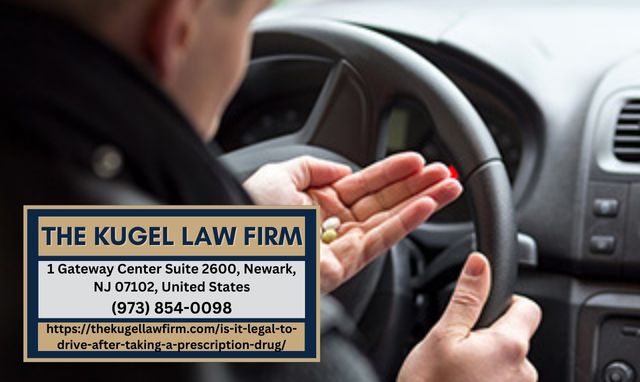
NJ DWI attorney

Can You Get a DUI for Driving on Prescription Medication? 

Driving offenses related to being “under the influence” are not just reserved for people who’ve consumed too much alcohol or taken recreational drugs. In New Jersey, police officers can charge you with a DUI even if the substance in your system is perfectly legal. In fact, you can be charged even if the medication you took was prescribed by your doctor. The law applies to over-the-counter pharmaceuticals as well as drugs prescribed by your physician, even if you’ve taken no more than the recommended dose.

If you are facing the unfortunate circumstance of being arrested for driving under the influence, do not hesitate to contact our experienced New Jersey DUI defense lawyer for prompt assistance. At The Kugel Law Firm, we are experienced in handling such cases and can provide you with guidance to identify the strongest legal arguments for your defense. You can reach our New Jersey offices at (973) 854-0098 to schedule a consultation.

New Jersey DUI Charges – Driving Under the Influence

In New Jersey, the charge for being under the influence of prescription drugs is classified the same as a DUI (Driving Under the Influence). This means you could be charged under exactly the same laws that apply to those who are drunk or have taken illegal substances.  If you’re suspected of being under the influence, a police officer can ask you to take a blood or urine test to check which substances are in your system and at what concentration.

Topic Details
DUI Charges for Prescription Medications Driving Under the Influence (DUI) – the charge for being under the influence of prescription medications. In New Jersey, the same laws that apply to those who are drunk or have taken illegal substances are used to charge individuals under the influence of prescription medications.
Penalties for DUI Charges Potential penalties include jail time, hefty fines, license suspension, and drug counseling. The severity of the offense determines the extent of the penalties imposed.
Testing for Substance Presence Suspected individuals may be asked to undergo blood or urine tests to determine the presence of substances in their system and the concentration of those substances.

When Can You Drive on Prescription Medication?

Is it legal to drive after taking prescription drugs? That depends on whether your prescription medication impairs your ability to safely operate a motor vehicle while you’re driving.

That’s right – in the case of prescription or over-the-counter drugs, the law is not automatically broken just because a blood or urine test shows that you have it in your system.

With medications, there’s no minimum blood alcohol content (BAC) level like there is with alcohol, where the result of the test alone is enough to lead to a criminal offense. 

But that doesn’t mean that you can’t break the law. 

To “safely operate” a vehicle, you must be alert and able to react to the conditions of the road, the weather, and any hazards. If the actual effects of your medication make you unable to safely operate a car, you could be charged even if you’ve taken the smallest possible dose.

The outcome of your case ultimately comes down to the definition of “impaired.”

When Does a Prescription Medication Make You Impaired?

The truth is, whether a person is considered “impaired” or not is subjective. Five different people could well have five different opinions on where exactly the line is crossed. 

A police officer may use the following examples to argue that you’re impaired: 

  • Slurred speech 
  • Acting tired or sleepy 
  • Unfocused eyes
  • Shaky hands
  • Being unstable on your feet

You could get a DWI charge if the arresting police officer witnessed these behaviors along with unsafe driving, such as weaving in and out of lanes or running intersections. You could face worse consequences if you’re actually involved in a collision or accident.

How to Stay Safe When Driving and Using Prescription Drugs

Based on the characteristics outlined above, the best way to keep yourself safe when driving is to carefully analyze the prescription drug that you are taking. 

  • Make sure that you read all of the potential side effects of your prescription carefully.
  • Understand the effects that your prescription can have on your body and state of mind.
  • Consider how these effects could affect your ability to drive safely.
  • When starting a new prescription drug that might impair your cognitive ability, wait at least 24 hours, ideally 48, before driving.
NJ DWI attorney

One warning that should catch your eye is if your pill bottle warns you not to operate heavy machinery. After all, cars are very large machines.

It goes without saying that if you’re taking more than one prescription drug, you also need to understand the side effects when the drugs are taken together. 

Your doctor can provide you with the information you need to make the best decision for you. You should also ask your doctor whether they believe it would be appropriate for you to drive.

You are the best judge of how your body reacts to a particular drug. However, you should give your body adequate time to actually react so that your assessment can be based on fact. Leaving time after taking a new drug also means you can assess how long any side effects last. Every person reacts and metabolizes substances differently.

Driving on Xanax

Similar to other potent prescription medications, Xanax poses a significant danger to individuals who drive while under its influence. Many individuals who misuse Xanax often combine it with alcohol to amplify its effects, resulting in impaired judgment and compromised driving abilities. In accordance with the laws of New Jersey, operating a motor vehicle while under the influence of drugs that impact the central nervous system is considered illegal. Should you be pulled over by a police officer, and they determine that you are under the influence of Xanax, the state may proceed to arrest you and bring charges for Driving Under the Influence (DUI).

Although law enforcement officers may face challenges in precisely identifying the influence of a specific prescription drug, many individuals who misuse Xanax often consume alcohol to enhance its effects, making it more noticeable to an observing officer. Typically, if an officer suspects a driver to be under the influence of a substance other than alcohol, they may seek the assistance of a Drug Recognition Expert (DRE). The DRE will inquire about the individual’s drug history, examine physical symptoms, and perform other assessments to detect the presence of any drugs that could impact the central nervous system. If the DRE is unable to definitively determine the drug involved, but there is substantial evidence indicating impaired driving, the police have the authority to arrest the individual and request a urine sample. If an officer requests a urine sample, it is advisable to seek the guidance of an experienced DUI defense lawyer to ensure that your rights are protected and to receive appropriate legal advice.

When Should I Contact a Lawyer for a DWI?

As you can see, there is no black-and-white rule when it comes to what is acceptable when driving under the influence of prescription drugs. In many cases, the issue of impairment comes down to the police officer’s testimony against yours.

But the truth is that the prosecution has a high bar to meet in prescription drug cases. They have to show beyond reasonable doubt that your ability was impaired. That’s not easy. But you do need a great lawyer to help you analyze the evidence to your advantage.

As soon as you can make a phone call, you should contact an attorney who specializes in representing clients against DUI charges in New Jersey. A DUI lawyer can help you identify the best legal arguments in your defense. Schedule a no-risk case consultation now with the DUI attorneys at The Kugel Law Firm. You can contact us at (973) 854-0098 to schedule a consultation.


from Kugel Law Firm – DWI/DUI Defense in New York & New Jersey https://thekugellawfirm.com/is-it-legal-to-drive-after-taking-a-prescription-drug/

Thursday, November 30, 2023

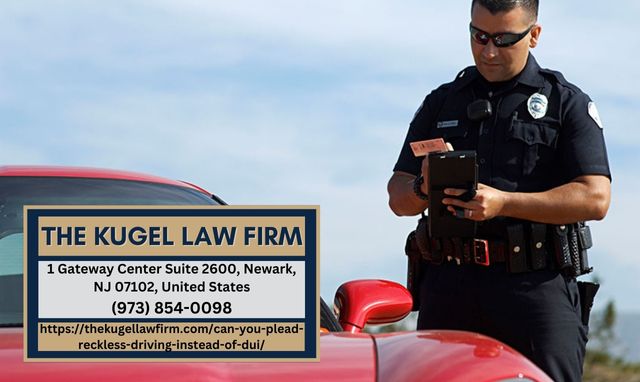
Can You Plead Reckless Driving Instead of DUI?

Drunk driving and reckless driving charges often come hand in hand. In many cases, drivers get pulled over when police officers believe they’re seeing reckless behavior. A traffic stop can then lead to a field sobriety or breathalyzer test, which can lead to a DUI charge. In some cases, you may be charged with both DUI and reckless driving. And while both are serious offenses in New Jersey, DUI has a set of penalties and fines that are different with reckless driving.

Not all drunk driving counts as reckless driving. You may get charged with a DUI at a traffic checkpoint – not because anyone witnessed you driving recklessly. The opposite is also true: you could be found guilty of reckless driving even if you’re sober. What’s the best way to navigate these charges? Usually, reckless driving tends to have less severe penalties and fines compared to a drunk driving offense. Some states treat reckless driving as a “less serious” version of a DUI, although both come with significant consequences, including the possibility of criminal charges that stay on your record for years.

The best course of action when facing a DUI or reckless driving charge is to talk to an experienced New Jersey DUI lawyer as soon as possible. The outcome of your case will depend on the unique facts of your situation. An attorney can recommend a strategy once they analyze the details of your case and take stock of the state’s evidence against you. Contact The Kugel Law Firm at (973) 854-0098 for a confidential consultation and start building a strategic defense for your situation today.

New Jersey DUI attorney

What’s the Difference Between Reckless Driving and DUI?

In order to be charged with a DUI or DWI in New Jersey, you must be under the influence of alcohol or drugs (illegal or prescription). Evidence to prove intoxication usually involves results from a breathalyzer test, field sobriety test, or blood test.

Meanwhile, you can drive recklessly even if you’re not under the influence of anything.

In New Jersey, reckless driving involves endangering people or property with willful or wanton disregard for the rights or safety of others. You could be charged with reckless driving if you knew you were driving dangerously and continued anyway.

Even sober drivers can get pulled over for reckless driving, which could look like:

  • Driving the wrong way down a one-way street
  • Ignoring or speeding through stop signs or traffic lights
  • Excessive speeding, especially in construction zones
  • Tailgating, weaving through traffic, or racing other drivers
  • Operating a dangerous vehicle or improperly secured cargo
  • Road rage or using a motor vehicle as a dangerous weapon

The consequences for reckless driving vary based on the severity of your case and whether this is your first offense. You could face civil fines or penalties (such as getting your license suspended or revoked) or a criminal record for a misdemeanor or felony crime.

For example, speeding 5-10 MPH over the speed limit may simply get you a traffic ticket and civil fine. But speeding over 100 MPH or double the speed limit could rise to the level of a misdemeanor crime of reckless driving, with jail time. Engaging in this kind of reckless driving while under the influence of drugs or alcohol could elevate the criminal charges to a felony, where you face both reckless driving and DUI charges.

Reckless Driving DUI/DWI
Definition Endangering people or property with willful or wanton disregard for the rights or safety of others Driving under the influence of alcohol or drugs
Intoxication Not required Required
Consequences Civil fines or penalties, criminal record for misdemeanor or felony offense Civil fines or penalties, criminal record for misdemeanor or felony offense, license suspension or revocation

Can You Plead Reckless Driving Instead of DUI?

In New Jersey there are statutes that limit the types of offers that prosecutors are allowed to make in order to attempt to resolve a case. This means that a plea to an alternative traffic offense does not come easy.

That does not mean that alternative plea agreements are never reached but they cannot be based on a “plea bargain” and instead must be based on the state’s inability to prove the case beyond a reasonable doubt. This is why it is so important to have a DWI lawyer on your side who can point out to the prosecutor the weaknesses in their case and argue why your matter might require such a diversion. 

Reckless Driving vs. DUI  in New Jersey

Drunk driving and reckless driving are often related but distinct charges in New Jersey. A driver may be pulled over for exhibiting reckless behavior, which can then lead to a field sobriety or breathalyzer test and a subsequent DUI charge. Not all drunk driving counts as reckless driving, and conversely, reckless driving can occur even when a driver is sober. Penalties and fines for reckless driving are generally less severe than those for a DUI, but both charges come with significant consequences, including the possibility of a criminal record.

According to N.J.S.A 39:4-96, reckless driving in New Jersey involves endangering people or property with willful or wanton disregard for the rights or safety of others. It disregards safe driving rules regardless of the potential for harm. Examples of reckless driving behaviors include driving the wrong way down a one-way street, excessive speeding, tailgating, and road rage. Consequences for reckless driving depend on the severity of the case and the driver’s history, ranging from civil fines and penalties to a misdemeanor or felony criminal record. Those convicted may be subject to fines, license suspension, mandatory driving courses, and, in extreme cases, imprisonment.

Conversely, driving under the influence (DUI), as defined under N.J.S.A. § 39:4-50, involves driving with a blood alcohol concentration of 0.08% or more for individuals aged 21 and above, or while influenced by a Schedule 1 drug like heroin. Being convicted of DUI results in significant consequences, including fines, suspension of a license, mandatory participation in alcohol education programs, and the possibility of imprisonment.

Despite being distinct traffic violations, a driver may find themselves facing both reckless driving and DUI charges simultaneously. The distinction lies in how these offenses are handled within the legal system: reckless driving is treated as a violation but not necessarily a crime, whereas DUI is a conventional criminal charge. As a result, reckless driving does not appear on a criminal background check, unlike DUI. Upon a DUI conviction, a motorist’s driver’s license is automatically suspended for a designated period. However, with a reckless driving charge, a driver doesn’t automatically lose their driving privileges. Both offenses are considered serious traffic violations, carrying significant penalties for breaching the law.

In New Jersey, pleading reckless driving instead of DUI is not a straightforward process. Statutes limit the types of offers prosecutors can make to resolve a case, so an alternative traffic offense plea does not come easily. However, alternative plea agreements can be reached based on the state’s inability to prove the DUI case beyond a reasonable doubt. This is why it is essential to have a DWI lawyer who can identify weaknesses in the prosecutor’s case and argue for a diversion.

At the Kugel Law Firm, we handle these types of charges every day for our clients. Schedule a no-risk case consultation with our leading DUI/DWI attorneys now. You can contact us at (973) 854-0098.


from Kugel Law Firm – DWI/DUI Defense in New York & New Jersey https://thekugellawfirm.com/can-you-plead-reckless-driving-instead-of-dui/

Wednesday, October 18, 2023

What Are the Consequences of Refusing a Breathalyzer Test in NJ?

Breath tests are an essential component of law enforcement efforts to combat driving under the influence of alcohol (DUI) in New Jersey. The state takes a strong stance against drunk driving and understanding these tests and their implications is crucial for anyone seeking to avoid DWI/DUI charges and their harsh penalties. 

Under New Jersey’s implied consent laws, drivers are expected to comply with a breath test when requested by law enforcement during a traffic stop. New Jersey imposes strict penalties for individuals who are convicted of a DWI/DUI and who are found to have refused the breathalyzer test. If you have been charged with a DWI/DUI, getting the help of a skilled New Jersey DUI attorney is a crucial step in protecting your rights. Led by top-rated attorney Rachel Kugel, our team of experienced DWI/DUI attorneys at The Kugel Law Firm works diligently to provide quality legal representation to New Jersey residents who have been charged with impaired driving offenses, such as breathalyzer test refusal. Contact us today at (973) 854-0098 to schedule a free strategy session.

New Jersey DWI Laws

New Jersey laws prohibit anyone from operating a motor vehicle under the influence of alcohol, narcotics, and hallucinogenic or habit-producing drugs. The legal blood alcohol concentration (BAC) threshold for a driver is 0.08%. For commercial drivers operating commercial vehicles, the limit is 0.04%. Meanwhile, drivers under the age of 21 are held to a zero-tolerance policy when it comes to drunk driving.

New Jersey DWI laws enforce penalties based on the severity and frequency of offenses. Penalties can include fines, license suspension, installation of an ignition interlock device (IID), and even imprisonment. The penalties depend on the BAC of the offender and the number of prior offenses they have.

For instance, a first-time offender may face a fine between $250 and $400, along with a three-month license suspension or three-month ignition interlock requirement. Those with a BAC of 0.10% or higher face a fine between $300 and $500 and a license suspension of seven months or an ignition interlock requirement for 7 months. For motorists with a BAC at or above .15, even a first offense will require both a license revocation of four to six months and an ignition interlock requirement during that time and for 9-15 months thereafter. Subsequent offenses come with increased penalties, including longer license suspension periods and potential imprisonment.

What is the Implied Consent Law in New Jersey?

In New Jersey, any driver using the roads is deemed to have implicitly provided their consent to submit to a breathalyzer test when requested upon probable cause by law enforcement. This is referred to as the Implied Consent Law in New Jersey. If a driver refuses to submit to a breathalyzer test following a traffic stop made on suspicion of a DWI/DUI, this can result in additional charges and penalties if you are convicted of the DWI/DUI.

Refusal to take a breath test in New Jersey will typically result in a separate summons for the violation, in addition to any DWI charges the driver may face. The penalties for refusal vary depending on the number of prior offenses the driver has.

For first-time refusal offenders, the penalties include a fine between $300 and $500 and a suspension or ignition interlock device for 9-15 months. For second-time offenders, the penalties include a fine between $500 and $1,000, in addition to a 1-2 year license suspension as well as the installation of an ignition interlock device upon restoration for a period of 2-4 years. The penalties continue to increase for subsequent offenses, with the potential for significant fines, license suspension, and interlock installation requirements.

It’s worth noting that even if a driver refuses a breathalyzer test, law enforcement may in certain circumstances obtain a warrant to conduct a blood test to determine their BAC.

How Breathalyzer Tests Work

Breathalyzer tests offer a quick and non-invasive way to measure a person’s BAC by estimating the alcohol content in their breath. These devices work by analyzing the alcohol molecules in the exhaled air and converting that measurement to a BAC reading.

In New Jersey, law enforcement primarily uses the Alcotest 7110 MKIII-C, which combines infrared spectrometry and fuel cell technology. The device provides results that can be used as evidence in court against the driver, as long as the device was properly maintained and calibrated or tested and conditions of admissibility are met. 

It’s essential for people in New Jersey to be aware of the state’s DWI laws and the consequences of refusing a breathalyzer test. For those who find themselves facing a breathalyzer test or DWI charges, understanding the relevant laws and their rights can make all the difference.

Refusing a Breathalyzer Test in New Jersey

In the state of New Jersey, every driver faces a dilemma when confronted with a breathalyzer test during a traffic stop. Although the laws in New Jersey are stringent, you may be wondering if it is a good idea to refuse a breathalyzer test. Law enforcement officers themselves have to provide an explanation with a script provided by the New Jersey Attorney General and advise the driver of the potential consequences of refusing a breathalyzer test before administering it. 

How to Conduct Yourself When Stopped for DWI/DUI

When a police officer stops you on suspicion of a DWI/DUI and requests you to answer questions or submit to physical and balance tests, you have the right to politely refuse. Here are some steps to follow:

  1. Remain calm and polite during the entire interaction with the officer.
  2. Clearly inform the officer that you will not be taking field sobriety tests. It is essential to be firm but polite.
  3. Do not argue or resist the officer’s subsequent actions, such as handcuffing or placing you under arrest. Resisting may lead to additional charges.
  4. If you’re placed under arrest, exercise your right to remain silent until you’ve consulted with a lawyer.

It is important to understand that refusing tests does not mean you won’t be charged with a DUI. The officer may use other evidence, such as your behavior or appearance, to charge you. It does, however, mean the prosecution will not have the specific data as evidence against you.

What Actions Can Be Considered as Refusal 

Aside from telling the officer outright that you are refusing the breathalyzer test, the following actions can also be considered as refusal.

  • Not responding or remaining silent when asked: If a person doesn’t express a willingness to take a breath test, their silence is generally seen as a refusal. It’s important to note that a person’s right to remain silent doesn’t apply to questions about breath tests.
  • Providing short samples: Even if someone consents to a breath test, providing a small sample or intentionally blowing less than required can result in a refusal charge. It’s also possible that someone may not be able to blow with sufficient volume for a valid reading.
  • Delaying the test: If someone deliberately delays or stalls the administration of a breath test, it can be interpreted as a refusal. The Supreme Court of New Jersey has stated that someone suspected of drunk driving has no right to delay breath testing.
  • Conditional Consent: Anything other than an unambiguous and unconditional agreement to take a breath test may be seen as a refusal. This includes responses such as “if…”, “can you tell me…”, or anything else that is not a clear and unconditional “yes” to taking the test.

Legality of Refusing a Breathalyzer Test

Refusing a breathalyzer test is legal, but it comes with consequences as per New Jersey’s implied consent laws. When you obtain a driver’s license in the state, you implicitly agree to submit to a breath test if you are suspected of drunk driving.

If you refuse a breathalyzer test in New Jersey, you may face the following penalties:

  • First-time refusal: A minimum fine of $300 to a maximum of $500, an ignition interlock device installed in your vehicle for 9 to 15 months or driver’s license suspension for that time period.
  • Second-time refusal: A fine ranging from $500 to $1,000, a 1-2 year license suspension followed by an ignition interlock device installed in your vehicle for 2 to 4 years. 
  • Third-time refusal: A $1,000 fine, a suspension of your license for 8 years followed by an ignition interlock device installed in your vehicle 2-4 years. 

Moreover, refusing a breathalyzer test exposes you to additional penalties under the New Jersey Motor Vehicle Commission (MVC) surcharge system. This includes annual surcharges during a specified number of years.

Refusal Instances Penalties
First-time refusal Minimum fine of $300 to a maximum of $500,
Ignition interlock device installed in your vehicle for 9 to 15 months OR driver’s license suspension for that time period
Second-time refusal Fine ranging from $500 to $1,000,
1-2 year license suspension followed by an ignition interlock device installed in your vehicle for 2 to 4 years
Third-time refusal $1,000 fine,
Suspension of your license for 8 years followed by an ignition interlock device installed in your vehicle for 2-4 years

Common Reasons for Refusal

The reasons for refusing a breath test might vary, but some common reasons include:

  • Fear of inaccurate results: Breathalyzer devices can produce false readings due to improper calibration, medical conditions, or other factors. This may lead drivers to question the accuracy of the test and prefer to refuse.
  • Lack of trust in the police: Some drivers might not trust the police officer administering the test or the motives of the officer requesting the test.
  • Panic: Being pulled over and accused of drunk driving can be a stressful and nerve-wracking experience for the driver, leading to a panic-driven refusal.

In New Jersey, refusing a breathalyzer has consequences, and drivers should weigh the pros and cons before deciding whether or not to accept or refuse the test. Consulting with a DUI attorney can help drivers navigate this complex decision and its potential legal ramifications.

Immediate Consequences of Refusing a Breathalyzer Test

One of the most critical decisions you might need to make when pulled over on suspicion of driving under the influence (DUI) is whether to submit to a breathalyzer test or not. Many people refuse the test in the hope that it will better their chances of avoiding a DUI conviction. However, refusing a breathalyzer test can lead to several immediate consequences.

Observational DUI Charges vs. Breathalyzer Test Refusal

When a police officer stops a driver on suspicion of DUI, the officer has the option of placing the driver under arrest based on their observed behavior, regardless of whether a breathalyzer test is provided. If the officer has enough evidence to support a DUI charge (e.g., slurred speech, unsteady gait, or the smell of alcohol on breath), they can do so even without breathalyzer results.

Challenging Breathalyzer Test Refusal Charges

Defending against DWI charges in New Jersey can be difficult especially due to the fact that prosecutors are not allowed to plead down DWI/DUI charges. However, there are several strategies that a skilled DUI attorney can employ to possibly reduce or dismiss the charges. 

Common Defense Strategies

There are several defense strategies that can be used to challenge breathalyzer test refusal charges. The following are some of the most common:

  • Invalid Arrest or Traffic Stop: The first step to challenging a breathalyzer test refusal charge is to determine if there were any procedural errors during the arrest or traffic stop. If law enforcement did not have probable cause for stopping your vehicle or arresting you on DUI suspicions, your attorney can argue that any subsequent actions or charges are invalid. Examples of potential errors include an officer not informing you of the consequences of refusing a breathalyzer test, or not having a valid reason for stopping your vehicle in the first place.
  • Improper Administration of the Test: There are strict guidelines for administering breathalyzer tests, and improper administration can affect the reliability of test results. This can also apply to test refusal charges—your attorney may challenge the charge by raising questions about the calibration of the testing device, the officer’s training on using the breathalyzer, or other potential issues that could have affected the test. If the breathalyzer test was not administered properly, it may be possible to have the refusal charge dismissed.
  • Medical Conditions Affecting Test Results: There are instances when a person’s medical condition may affect the accuracy of a breathalyzer test or create difficulties in providing a breath sample. For example, individuals with asthma, emphysema, or other respiratory issues may not be physically capable of producing a sufficient breath sample for testing. If you have a medical condition that may have affected the results or your ability to take the test, your attorney can argue that the refusal charge is unjustified.

Why Working With an Experienced New Jersey DWI/DUI Attorney is Essential

Challenging breathalyzer test refusal charges can be a complex and often confusing process. Having an experienced DUI attorney in New Jersey can be crucial to successfully defend against these charges. A DUI attorney can help by:

  • Reviewing your case thoroughly to determine if any procedural errors occurred during your arrest, traffic stop, or administration of the breathalyzer test.
  • Developing a strong defense strategy based on the unique circumstances of your case.
  • Negotiating with the prosecution for alternative sentencing options.
  • Representing you throughout the court process and advocating for your rights and interests at every stage.

In conclusion, facing a breathalyzer test refusal charge can be incredibly stressful, but with the right legal representation, you can challenge those charges and potentially avoid the harsh penalties that come with a conviction. If you find yourself in this situation, consult a knowledgeable New Jersey DUI attorney to protect your rights and navigate the complicated legal process.

At the Kugel Law Firm, our team of experienced New Jersey DWI/DUI attorneys work diligently to provide quality legal services and representation in defending against breathalyzer refusal charges. If you have been charged with a DWI in New Jersey, our attorneys can conduct a comprehensive investigation of your case and establish a robust defense strategy. We can assist you in understanding your charges and in navigating the legal processes involved. Contact us today to schedule a free initial strategy session at (973) 854-0098


from Kugel Law Firm – DWI/DUI Defense in New York & New Jersey https://thekugellawfirm.com/what-are-the-consequences-of-refusing-a-breathalyzer-test-in-nj/

How Prosecutors Prove DUI in New Jersey

Facing a DUI charge can be incredibly stressful. Getting convicted and losing your license could dramatically affect your life. Can you beat the charges? Does the state have enough evidence to prove their case against you? How can you defend yourself?

You don’t have to accept a DUI charge without a fight. You have legal options. 

At this point, it’s important to talk to a skilled New Jersey DUI lawyer about your case. At The Kugel Law Firm, our lawyers can analyze the evidence against you and craft a strategic defense tailored to your unique circumstances. We can work tirelessly to challenge the prosecutors’ evidence, closely examine law enforcement procedures, and advocate for your rights at every step of the legal process. DUI cases are fact-specific and the outcome depends on what happened in your unique situation. You shouldn’t give up on your case. Your attorney can help you learn about how plea bargains work in DUIs and explain how you could get your case dismissed depending on the circumstances. Contact us today at (973) 854-0098 for a consultation and let us help you build a strong defense against DUI charges in New Jersey. 

This is because you may be charged with a DUI or DWI but the state may not actually have enough evidence to convict you in court. An experienced lawyer can look at the facts of your case, determine where you stand, and take steps towards a successful outcome for you.

So what does a prosecutor have to prove in order for you to be convicted of a DUI or DWI? 

NJ DUI defense lawyer

What Is a Reasonable Doubt?

In New Jersey DUI, a prosecutor must prove beyond a reasonable doubt that you operated a motor vehicle while under the influence of alcohol or drugs.

“Beyond a reasonable doubt” is a common legal term known as a standard of proof. In order to convict you of a DUI, a judge must be convinced with no reasonable doubt left about the truth.

This is a high standard of proof – much higher than “preponderance of the evidence,” which only requires a judge to be more than 50% sure that the facts more likely happened than not. A higher standard of proof makes it harder for the prosecutor to prove their case against you.

Having a higher standard of proof for a DUI conviction makes sense. After all, a DUI could have major consequences on your life, including criminal penalties and a criminal record (in New York). 

“Operating” a Motor Vehicle

To prove that you’re guilty of a DUI, the state must first prove that you were “operating” a motor vehicle. This may seem like an obvious question at first – it makes sense to assume that you’re operating a car if you’re in the driver’s seat while it’s moving.

But what if you’re in the driver’s seat and the car is parked? What if the engine is on but you’re not moving? Do you still qualify as “operating” the vehicle then?

  • In New Jersey, “operating” a vehicle is broader than actually moving the car. It could be enough to be behind the wheel with the keys in the ignition. Or standing outside the car on the side of the highway. The issue of “operation” is very fact specific and you should discuss this in detail with a skilled DWI/DUI defense lawyer who can assess whether your case involves a real issue on operation. A case can be won or lost on the “operation” issue, it is that important. 

Evidence Needed for Dui Conviction

In New Jersey, individuals facing allegations of driving under the influence (DUI) have access to several potential defenses. However, the prosecutors can utilize various forms of evidence to potentially establish your guilt. Below are the seven types of evidence that prosecutors can use to support DUI charges in New Jersey:

  • Breath Sample: If you were subjected to a breathalyzer test during or after your traffic stop, the breath sample you provided could play a crucial role as evidence in your DUI case. However, there are various approaches to challenge the results of the breath test, and it is recommended to seek guidance from your attorney on potential methods to possibly exclude these results from being presented in court.
  • Field Sobriety Test (FST) Results: If you participated in field sobriety tests (FSTs) during your traffic stop, the arresting officer’s interpretation of your performance in these tests can also serve as evidence in your DUI case. Yet, you may be able to challenge the credibility of the arresting officer’s interpretation by demonstrating improper test administration or presenting an alternative explanation for your performance.
  • The Arresting Officer’s Observations: During your DUI trial, the prosecution has the authority to call the arresting officer as a witness to testify about their observations, which encompass the period before, during, and after your traffic stop.
  • Your Statements to the Arresting Officer: The prosecutor can use any statements you provided to the arresting officer, with the arresting officer testifying about what you said on the roadside. However, there is a chance that your statements may not be considered valid in court.
  • Physical Evidence from Your Vehicle: If the arresting officer discovered an open container in your vehicle, the prosecutor might present this as indirect evidence of drinking while driving, assuming that the vehicle search was lawful.
  • Police Dash Camera or Body Camera Footage: Besides the arresting officer’s testimony about their observations, if there is video footage capturing your driving or actions during the traffic stop, the prosecutor may present this footage as evidence in your DUI case.
  • Eyewitness Testimony: If there were any witnesses to your driving behavior or the traffic stop, which could include passengers in your vehicle, the prosecutor may summon these individuals to provide sworn testimony. However, witness statements are often subject to reliability challenges, and various tactics can be employed to mitigate the impact of witness testimony in court.

If you’re facing a DUI charge in New Jersey, understanding the evidence needed for a conviction is essential to building a strong defense. At The Kugel Law Firm, our skilled New Jersey DUI lawyer can meticulously assess your case, ensuring that all essential evidence, such as breathalyzer results, field sobriety tests, and police procedures, is examined with precision. Contact us today to protect your rights and secure the best possible outcome for your situation.

Proving Impairment Under the Influence

The second part of proving a DUI involves showing that the driver was under the influence of alcohol or drugs. This process is more straightforward with alcohol than with other drugs.

New Jersey uses breath test results taken during or after your traffic stop to prove that you were under the influence of alcohol. In New Jersey, the legal blood alcohol content (BAC) limit is 0.08%. You may face increasingly severe penalties if your BAC is especially high – for example, over 0.15% in NJ.

But a breathalyzer cannot detect drugs other than alcohol. Blood tests for marijuana or cannabis aren’t accurate because THC can be detected in the body weeks or months after use. And there’s no way to field test other types of prescription medication or illegal drugs.

A prosecutor trying to prove drug intoxication may also use the following as evidence:

  • A failed Field Sobriety Test (FST), which can be challenged on the grounds that the test wasn’t administered properly or your “failure” was because of something else
  • The arresting officer’s observations, testimony, and report notes
  • Any statements you made to the arresting officer, which you could argue are inadmissible in court based on evidence rules
  • Physical evidence from your vehicle, such as open containers or traces of drugs
  • Police dashcam or bodycam footage of your traffic stop interactions
  • Other eyewitness testimony from third parties who happened to see you driving the vehicle, such as passengers or pedestrians

Not all evidence is ironclad. The evidence against you may feel overwhelming but an experienced DUI lawyer can help enforce your legal rights. You shouldn’t face the heavy hand of the law alone without a diligent advocate by your side.

Possible Defenses Description
Improper Chemical Test Administration Challenging the accuracy of the breathalyzer or blood test results based on procedural errors during testing or handling of samples.
Alternative Explanations for Behavior Presenting evidence that there were other factors (e.g., medical conditions, fatigue, stress, etc.) that may have contributed to the observed behavior or physical symptoms.
Witness Testimony Introducing eyewitnesses who can testify about the events leading up to the traffic stop and provide an alternative version of events.
Challenging Traffic Stop Arguing that the traffic stop was not based on probable cause or that the officer violated your Fourth Amendment rights.
Miranda Rights Challenging the admissibility of any statements made during the traffic stop or arrest if the arresting officer failed to read you your Miranda rights.

Can You be Charged With DUI Without Evidence

In New Jersey, an individual may face a DUI charge, but it does not necessarily lead to a conviction if there is insufficient evidence. The prosecutor must meet a high standard of proof beyond a reasonable doubt, which is challenging to achieve. To prove that the person was “operating” a motor vehicle, the state must demonstrate that they had control of the vehicle, such as being behind the wheel with the keys in the ignition or standing outside the car on the side of the highway. However, the determination of “operation” is fact-specific, and it is crucial to discuss the case’s specifics with a skilled DUI defense attorney.

Proving impairment involves demonstrating that the driver was under the influence of alcohol or drugs. While breath tests are typically used for alcohol, drug intoxication can be more complex and may require various forms of evidence, such as Field Sobriety Test results, officer observations, statements, physical evidence from the vehicle, and eyewitness testimony.

Regardless of the presented evidence, a competent DUI attorney can assist in protecting the defendant’s legal rights and questioning the evidence’s validity. It is crucial to consult with an attorney promptly to develop a robust defense strategy and discuss the specifics of the case.

How to Fight a DUI Charge

The best way to defend yourself against a DUI charge is to get an attorney to look at your case as soon as possible. DWI cases take priority in the New Jersey court system, which means your case will proceed quickly and may be heard within 60 to 120 days.

In defending yourself, your attorney may use several different strategies:

  • Challenging chemical test results for being administered or handled improperly
  • Countering the officer’s testimony with another valid explanation for your behavior
  • Introducing witnesses who will testify that they saw things differently
  • Challenging the validity of the traffic stop on probable cause grounds
  • Bringing up other legal missteps such as failing to read you your Miranda rights

A DUI conviction could mean losing your driver’s license, owing thousands of dollars in penalties and fines, or even facing criminal charges. It’s important that you take your next steps forward with confidence in your defense. The attorneys at Kugel Law can help. Schedule a no-risk case consultation with our leading DUI attorneys now. You can contact us at our New Jersey office at (973) 854-0098.


from Kugel Law Firm – DWI/DUI Defense in New York & New Jersey https://thekugellawfirm.com/beyond-a-reasonable-doubt-how-prosecutors-prove-dui/

Friday, July 28, 2023

Can You Get a DUI on a Bike?

Riding a bicycle can be an enjoyable and eco-friendly means of transportation and recreation. However, it is important to understand that the laws surrounding cycling while under the influence of alcohol or drugs in New Jersey are not to be taken lightly. While riding a manually-operated bicycle while intoxicated may not result in a DUI charge, it can still have significant legal consequences. Therefore, being knowledgeable about New Jersey’s laws on intoxicated cycling is crucial to ensure compliance, protect your rights, and maintain your safety.

New Jersey takes driving under the influence (DUI) offenses seriously, and it’s important to understand the specific laws that apply to DUI cases involving bicycles. To navigate these laws effectively, it’s crucial to have a clear understanding of how DUI laws operate in New Jersey, including the distinction between DUI and DWI (Driving While Intoxicated) and the applicable laws for bicycles.

If you find yourself facing a biking under the influence charge in New Jersey, it is imperative to seek the assistance of a skilled New Jersey DUI lawyer. A DUI lawyer with extensive experience in handling cases involving bicycles can provide you with the necessary legal guidance and support to navigate the complexities of the legal system. Take action now by consulting with a reputable New Jersey DUI lawyer from The Kugel Law Firm. We can help protect your rights, minimize the legal repercussions, and advocate for your best interests. Call (973) 854-0098 today to learn more about how we can help you.

Applicable Laws for Bicycles in New Jersey

DUI laws in New Jersey are designed to ensure the safety of all road users, including bicyclists. The state’s laws prohibit individuals from operating vehicles under the influence of alcohol or drugs, including motorized and manually-operated bicycles. 

While bicycles are not classified as motor vehicles, they are still considered vehicles under state law. As a result, bicyclists must adhere to traffic rules, such as obeying traffic signals, yielding the right of way, and riding in the same direction as traffic. These laws apply regardless of whether a bicyclist is under the influence or not.

When it comes to DUI offenses specifically involving bicycles, the applicable laws and penalties differ from those for motor vehicles. It’s important to understand these distinctions to navigate the legal landscape effectively.

By familiarizing yourself with the DUI laws in New Jersey, understanding the difference between DUI and DWI, and being aware of the applicable laws for bicycles, you can better comprehend the legal framework surrounding DUI offenses involving bicycles. This knowledge will enable you to make informed decisions and take appropriate actions to protect your rights and navigate any legal proceedings that may arise.

Riding a Manual Bicycle While Intoxicated 

While riding a manually-operated bicycle while intoxicated is illegal in New Jersey, the charges may not fall under the category of DUI. In New Jersey, a manual bicycle refers to a bicycle that is solely operated by human power, without the assistance of a motor or engine. This includes traditional pedal-powered bicycles commonly used for transportation and recreational purposes. It’s important to note that the definition of a manual bicycle excludes motorized bicycles, which are subject to different regulations and laws.

New Jersey does not have specific legal limits for blood alcohol concentration (BAC) when it comes to riding a manual bicycle. However, it’s crucial to understand that any level of impairment caused by alcohol or drugs can impair a cyclist’s ability to operate a bicycle safely. It is also important to remember that compared to other states, bicycles are considered vehicles in New Jersey and cyclists must follow the laws governing roadways and practice safe driving.

Penalties for Riding a Manual Bicycle While Intoxicated

Biking while intoxicated may not result in DUI charges but it can still lead to significant penalties and legal consequences such as being charged with disorderly conduct. Cyclists may be subjected to up to $500 in fines and up to 30 days in jail when convicted of disorderly conduct which is a disorderly persons offense in New Jersey.

Enforcement and detection of intoxicated cycling primarily rely on the observation and judgment of law enforcement officers. If an officer suspects that a cyclist is impaired, they may conduct various field sobriety tests, such as balance and coordination assessments, to assess the individual’s level of impairment.

Additionally, law enforcement officers may consider factors such as erratic cycling behavior, excessive speed, or disregarding traffic laws as potential indicators of intoxication. It’s important to note that the absence of a motorized vehicle does not exempt cyclists from scrutiny if they are exhibiting signs of impairment.

DUI on a Motorized Bicycle

In New Jersey, operating a motorized bicycle while under the influence of alcohol or drugs is subject to specific laws and penalties. There are specific qualifications that need to be considered when distinguishing a motorized bicycle, typically depending on the maximum speed the vehicle can run, and the relevant DUI laws that apply can be different depending on the vehicle. 

A motorized bicycle, also known as a moped, is a two-wheeled vehicle equipped with a motor or engine. In New Jersey, a motorized bicycle is defined as a bicycle with a maximum engine size of 50cc and a maximum speed capability of 25 miles per hour (mph). Mopeds typically have pedals for manual propulsion but can be operated solely by the motor.

E-bikes, or electric bicycles, as defined under Title 39:4-14.16, should have either two or three wheels that have fully operable pedals and an electric motor with a power output of less than 750 watts. When powered solely by the motor, the vehicle’s maximum speed, with a rider weighing 170 pounds, should be less than 20 mph when operated on a paved level surface.

These distinctions allow law enforcement to establish the boundaries on where DUI laws would apply. It is important to note that a rider driving a moped or a motorized bicycle with a max speed of higher than 20 mph can be charged with a DUI just as they would be if they were driving a car. Those riding electric bicycles with a max speed of 20 mph, or what are called low-speed electric bicycles, are not covered by the same DUI laws.

Distinction Between Motorized Bicycles and Motor Vehicles

Mopeds share some similarities with motor vehicles, such as having an engine and are required to be registered in New Jersey. Riders are also required to have either a moped license or a driver’s license to operate. 

To obtain a moped permit in New Jersey, you need to meet several requirements:

  • Age Requirement: You must be at least 15 years old to apply for a moped permit.
  • Application Process: Visit a motor vehicle agency and complete an application for a moped permit.
  • Identification: Fulfill the 6 Points of ID requirements to establish your identity. This includes providing documentation such as a birth certificate, Social Security card, and proof of address.
  • Examination Permit Fee: Pay the $5 fee for the examination permit. 
  • Knowledge and Vision Tests: Pass the knowledge and vision tests to validate your permit. New Jersey has its own Moped Manual provided by the MVC.
  • Practice Period: Practice riding with your permit for a minimum of 20 days before becoming eligible to take the road test.
  • Road Test and License Issuance: Once you pass the road test, bring your permit, ride slip, and score sheet to a motor vehicle agency to receive your moped license. A $6 license fee will be applicable.

Note: If you already possess a basic New Jersey driver’s license, you do not need a separate moped license. You can legally operate a moped using your existing driver’s license. Operating a low-speed electric bicycle does not require a license in New Jersey.

Legal Limits and Blood Alcohol Concentration (BAC) for Bicycles

In New Jersey, blood alcohol concentration (BAC) is a crucial factor in determining DUI charges for motor vehicle operators. The state has established specific BAC categories that outline the legal limits and corresponding charges. It’s important to note that these categories apply to motor vehicle operators, including mopeds, and not specifically to manual bicyclists. 

  • Motorists over 21: If a motor vehicle operator’s BAC is 0.08% or higher, they are considered legally intoxicated under New Jersey law. This is the standard BAC limit for adults aged 21 and over. Operating a motor vehicle with a BAC of 0.08% or higher can result in a DUI charge.
  • Commercial Driver’s License holders: For motor vehicle operators holding a commercial driver’s license (CDL), the legal BAC limit is lower at 0.04%. CDL holders operating commercial vehicles are subject to more stringent regulations due to the potential risks associated with impaired driving in these vehicles.
  • Individuals under 21: For individuals under the legal drinking age of 21, New Jersey has a zero-tolerance policy. Any detectable amount of alcohol in their system while operating a motor vehicle is considered a violation, regardless of whether it exceeds 0.08% or not.

Law enforcement officers may still consider signs of impairment, such as erratic cycling behavior, swerving, or disregarding traffic laws, as potential indicators of intoxication. While driving a manual bicycle may not result in a DUI arrest, if an officer suspects that you are riding a bicycle while impaired, they may conduct a stop and require you to refrain from driving and/or apply related charges depending on the circumstances of your case.

Category Legal BAC Limit in New Jersey Details
Motorists over 21 0.08% Any motor vehicle operator aged 21 and over with a BAC of 0.08% or higher can be charged with DUI.
Commercial Driver’s License holders 0.04% For CDL holders, the legal BAC limit is lower due to the potential risks associated with impaired driving of commercial vehicles. A BAC of 0.04% or higher can result in a DUI charge.
Individuals under 21 Zero Tolerance (any detectable alcohol) New Jersey has a zero-tolerance policy for individuals under 21. Any detectable amount of alcohol in their system can result in a DUI charge, regardless of whether it exceeds 0.08% or not.

Penalties for Motorized Bicycles

Riding a motorized bicycle or moped falling under the category stated in the manual while under the influence of alcohol or drugs is considered a serious offense in New Jersey under NJ Rev Stat § 39:4-14.3G. The same DUI laws and penalties that apply to motor vehicles also apply to motorized bicycles.

If you are caught operating a motorized bicycle while impaired, you may face the following DUI-related consequences:

  • Fines: The court will impose fines with the same gravity as DUI offenses. For a first offense, cyclists may be required to pay at least $300 up to $500 in fines when convicted of a DUI.
  • License Suspension: Depending on the severity of the offense and any prior convictions, your driving privileges may be suspended for anywhere between three months up to a year. This suspension can impact your ability to operate not only motorized bicycles but also motor vehicles in the future.
  • Ignition Interlock Device: In some cases, individuals convicted of DUI on a motorized bicycle may be required to install an ignition interlock device on their motor vehicles once their driving privileges are reinstated.
  • Mandatory Alcohol Education or Treatment Programs: The court may also mandate attendance in alcohol education or treatment programs as part of the penalty for operating a motorized bicycle while impaired.

It’s important to note that the specific penalties for DUI on a motorized bicycle can vary depending on factors such as the individual’s BAC, any prior convictions, and the circumstances of the offense. While a DUI conviction may not appear on a person’s criminal record, it is still just as important to seek the help of an experienced attorney as penalties can also vary between local jurisdictions. Getting the help of a skilled New Jersey DUI lawyer who is knowledgeable about the local statutes is crucial in getting the best possible outcome in your case.

Defending Against DUI Charges on a Bike

If you are facing DUI charges on a bike in New Jersey, it is important to understand that you have the right to mount a strong defense. When it comes to DUI charges involving bicycles, challenging the accuracy and reliability of blood alcohol concentration (BAC) test results can be an effective defense strategy. Some potential factors to consider when challenging BAC test results for bicycles include:

  • Calibration and Maintenance of Testing Equipment: It is crucial to examine whether the testing equipment used to measure BAC was properly calibrated and maintained according to the established standards. Any flaws in the calibration or maintenance process can cast doubt on the accuracy of the results.
  • Chain of Custody: Ensuring the proper chain of custody for blood or breath samples is essential. This involves documenting the handling and storage of the samples to guarantee their integrity. Any gaps or inconsistencies in the chain of custody may raise questions about the reliability of the evidence.
  • Testing Procedures: Evaluating the procedures followed during the BAC testing is vital. Any deviations from the standardized protocols or potential errors committed during the testing process can be used to challenge the validity of the results.

Contesting Field Sobriety Tests Validity for Bicyclists

Law enforcement officers commonly may use field sobriety tests (FSTs) to assess impairment in DUI cases, including those involving bicycles. However, contesting the validity of field sobriety tests for bicyclists can be a potential defense strategy. Some aspects to consider when challenging the validity of FSTs for bicyclists include:

  • Physical Limitations of Bicyclists: Bicyclists may face unique challenges when performing certain physical tasks during FSTs. The nature of balancing on a bike and the physical exertion required to operate it can affect the accuracy of FSTs designed for motor vehicle drivers. This can be used to question the relevance and reliability of the FST results.
  • Environmental Factors: Environmental conditions, such as uneven road surfaces, weather conditions, or inadequate lighting, can impact a bicyclist’s ability to perform FSTs accurately. These factors can be taken into consideration when challenging the results of FSTs conducted on bicyclists.

In addition to challenging BAC test results and contesting the validity of field sobriety tests, some other potential defenses and strategies can be employed when facing DUI charges on a bike. Some of these include:

  • Lack of Probable Cause: If the arresting officer lacked probable cause to stop or detain you, it may be possible to challenge the legality of the arrest. Any evidence obtained as a result of an unlawful stop or detention may be subject to exclusion.
  • Inaccurate Observations: Examining the officer’s observations and testimonies regarding your behavior, appearance, or performance during the traffic stop can help identify inconsistencies or inaccuracies that can be used to challenge the validity of the charges.
  • Expert Testimony: Seeking expert testimony from professionals with knowledge in the field of DUI, bicycling, or testing procedures can provide valuable insights and strengthen your defense.

It is crucial to consult with an experienced DUI defense attorney in New Jersey to evaluate the specific circumstances of your case and determine the most effective defenses and strategies available to you. A skilled attorney will help protect your rights, challenge the evidence against you, and strive to achieve the best possible outcome in your DUI case involving a bike.

Importance of Consulting with a New Jersey DUI Lawyer

Consulting with a New Jersey DUI lawyer is crucial when facing any DUI charge. An experienced lawyer can provide invaluable guidance and support throughout the legal process. A New Jersey DUI lawyer will help you evaluate your legal options and potential outcomes. They will analyze the facts of your case, consider the available evidence, and provide a realistic assessment of the strengths and weaknesses of your defense. They will explain the potential consequences you may face and discuss possible strategies to mitigate the impact of the charges.

With their experience, a DUI lawyer can help you make informed decisions about whether to negotiate a plea agreement, challenge the evidence in court, or explore alternative resolutions. They will work with you to develop a defense strategy aligned with your goals and guide you through each step of the legal process.

Seeking legal representation from a New Jersey DUI lawyer is crucial to protect your rights, navigate the legal complexities, and increase your chances of achieving the best possible outcome in your bicycle-related DUI case. Their experience, knowledge, and guidance will be invaluable in minimizing the potential consequences and safeguarding your future.

Working with a Skilled New Jersey DUI Lawyer

To ensure that your rights are protected as a cyclist, understanding New Jersey’s laws on bicycle-related DUI law is important. While riding a manually-operated bicycle while intoxicated may not fall under the category of DUI, the consequences and legal implications should not be taken lightly. Being knowledgeable about the laws specific to bicycles and the potential penalties involved can help you make informed decisions and take necessary precautions to avoid legal trouble.

Moreover, having a skilled New Jersey DUI lawyer by your side is crucial if you do find yourself facing DUI charges. A knowledgeable lawyer with experience in handling DUI cases involving bicycles can provide invaluable guidance, build a strong defense strategy, and advocate for your rights throughout the legal process. They can help you navigate the complexities of the legal system, challenge evidence when appropriate, and work towards achieving the best possible outcome for your case.

If you or someone you know is dealing with a biking under the influence charge in New Jersey, it is essential to consult with a qualified DUI lawyer as soon as possible. At The Kugel Law Firm, our team of top-rated New Jersey DUI lawyers can review the details of your case, assess your legal options, and provide personalized advice tailored to your situation.

Remember, protecting your rights, minimizing the consequences, and safeguarding your future is paramount. Don’t hesitate to seek the assistance of a skilled New Jersey DUI lawyer who can help you understand the law, fight for your best interests, and guide you through the legal process with professionalism.

Contact The Kugel Law Firm today at (973) 854-0098 and take the necessary steps to protect yourself and your future. Your peace of mind and the preservation of your rights are worth every effort.


from Kugel Law Firm – DWI/DUI Defense in New York & New Jersey https://thekugellawfirm.com/can-you-get-a-dui-on-a-bike-in-new-jersey/

Monday, July 24, 2023

DUI vs. DWI in New Jersey

Compared to other states, New Jersey carries a unique classification for DWI offenses in that the state deals with impaired driving offenses in traffic court rather than in criminal court. Except in cases wherein a DWI results in injury to at least one person, New Jersey treats DWI convictions as traffic offenses, even in cases where the driver’s BAC has gone over the legal limit. However, this does not mean that an individual won’t have to deal with jail time or suffer legal and non-legal consequences as punishment for their DWI conviction.

While dealing with a criminal case may be different than dealing with a traffic infraction in New Jersey, it is still just as important to seek the help of a skilled New Jersey DUI attorney. An experienced attorney can guide you through the complex legal process, protect your rights, and work diligently to achieve the best possible outcome for your case. Contact The Kugel Law Firm today. Our skilled New Jersey DUI attorneys understand the gravity of facing impaired driving offenses and can provide the guidance and representation you need. Our team can help protect your interests, advocate for the best possible outcome for your case, and provide you with peace of mind during this challenging time. Call us at (973) 854-0098 to schedule a free consultation with one of our attorneys.

Definition of DUI and DWI

In New Jersey, driving while intoxicated (DWI) and driving under the influence (DUI) are interchangeable terms. Within these umbrella, terms are different ways the state can prove an operator is impaired or intoxicated. For example, operating a motor vehicle with a blood alcohol content (BAC) of at least 0.08% or, even without a specific BAC reading, the mental and physical faculties of an operator are impaired to an extent. It also includes instances when an individual operates a motor vehicle while impaired by substances other than alcohol, such as illegal drugs, prescription medications, or even cannabis.

Law enforcement officers in New Jersey are trained to detect signs of impairment, whether it’s alcohol or drug-related. They may administer tests to detect the level of impairment, such as a breathalyzer or blood tests, to determine the presence of alcohol or drugs in a driver’s system. It is also important to note that even if the drugs are prescribed, an individual can still be charged with a DUI if the effects of the drugs are the cause of impaired driving.  

It’s worth noting that the legal consequences for driving offenses involving drugs and alcohol differ. While both offenses can lead to driver’s license suspension, fines, mandatory education programs, and potential incarceration, the penalties may vary based on factors such as the driver’s BAC level, prior convictions, and the presence of aggravating circumstances.

Legal Consequences of DUI and DWI Offenses

DUI/DWI offenses in New Jersey carry significant legal consequences. In DWI/DUI cases, individuals may face penalties such as driver’s license suspension, the installation of an ignition interlock device, mandatory participation in Intoxicated Driver Resource Center (IDRC) classes, and hefty fines. DWI/DUI offenses in New Jersey carry the possibility of jail time which becomes mandatory after the first offense. Certain offenses also carry a community service requirement. Additionally, individuals charged with DUI may also face the possibility of being investigated and charged with drug-related crimes, depending on the circumstances.

As mentioned for drug-related DUI offenses, the legality of possessing a drug is different from the legality of driving while under the influence of a drug. For example, while it is perfectly legal to possess and use small amounts of cannabis, driving while under the influence and impaired is still considered a traffic offense. The same can also be said for prescription medication such as opioids and medicine that can cause a person to have a reduced reaction time.

Repeat offenses or incidents that cause injuries can lead to more severe penalties, including longer license suspensions, potential jail time, and elevated criminal charges.

It is crucial for individuals facing DUI/DWI charges in New Jersey to consult with an experienced lawyer who can guide them through the legal process, help protect their rights, and explore possible defense strategies. Having legal representation can significantly impact the outcome of the case and mitigate the potential consequences associated with these offenses.

The Impact of DUI and DWI on Your Driver’s License

DUI/DWI convictions in New Jersey can have a significant impact on your driver’s license. License suspensions and the installation of ignition interlock devices are common penalties for impaired driving offenses, and the duration of the suspension can vary depending on the specific offense and prior convictions. 

Understanding the legal implications of DUI and DWI in New Jersey is crucial for individuals facing impaired driving charges. It is strongly recommended to seek the assistance of a knowledgeable attorney who can navigate the legal process, protect your rights, and help develop a robust defense strategy to minimize the potential impact of these charges on your driver’s license and future prospects.

Measuring Blood Alcohol Concentration (BAC) Levels and Impairment

To enforce impaired driving laws, New Jersey establishes legal limits for blood alcohol concentration (BAC) that determine the level of impairment and associated charges. The BAC requirements are divided into different driver categories as follows:

  • Standard Drivers: For drivers who are 21 years or older, the legal BAC limit is 0.08%. If a driver’s BAC exceeds this limit, they can be charged with DWI (Driving While Intoxicated) per se. Meaning it would be enough for the prosecutor to prove that an individual drove with a BAC of .08 or higher. 
  • Commercial Drivers: For commercial vehicle drivers, such as those operating large trucks or buses, the legal BAC limit is reduced to 0.04%. Exceeding this limit while operating a commercial vehicle can result in a DWI charge.
  • Underage Drivers: For individuals under the legal drinking age of 21, the BAC limit is significantly lower at 0.01%. If an underage driver is found with a BAC level at or above this limit, they can face DUI (Driving Under the Influence) charges. 

BAC Testing Methods in New Jersey

To determine a driver’s BAC level, law enforcement in New Jersey employs various testing methods:

  • Breath Tests: Breathalyzer devices are commonly used by law enforcement to estimate a person’s BAC by analyzing their breath sample. These devices measure the alcohol content present in the breath to estimate the BAC level.
  • Blood Tests: In certain cases, blood tests may be conducted to directly measure a person’s BAC. Blood tests provide a more accurate and precise measurement of alcohol content.

It is important to note that drivers in New Jersey are legally required to comply with BAC testing when requested by law enforcement officers who have reasonable suspicion of impairment if they fail to submit to a breath test they can be issued a separate charge of refusal that carries its own fines and penalties separate and apart from the DWI/DUI. In New Jersey, an individual may refuse to provide consent for blood or urine testing without the same consequences. It would then be up to the police to decide whether to apply for a search warrant to obtain blood without the consent of the individual. 

Measuring Drug Impairment

While there isn’t a standardized breath test like the one used for alcohol impairment, law enforcement officers employ different approaches to detect and assess drug impairment. If a person exhibited driving behavior indicative of impairment (swerving in and out of lanes, reckless driving, driving above or way below the speed limit, etc.), stopped and tested for a breath test that shows a low BAC despite visible signs of impairment (failing the field sobriety tests, slurred speech, etc.) they may be requested to take a blood or urine test to verify drug impairment.

It is important to note that, compared to breathalyzer tests, there is typically no penalty for declining to take urine, blood, and other chemical tests. A driver can only be compelled to provide a blood or urine test if the police can provide a warrant. In instances where a driver has gotten into an accident and needed emergency medical assistance, the police can also get an order from a judge to get the results of any blood tests conducted to see if drug impairment was a factor in the accident. 

Here are the methods commonly used to measure drug impairment in New Jersey DUI cases:

  • Drug Recognition Experts (DRE): A Drug Recognition Expert is a law enforcement officer specially trained to identify impairment caused by drugs. DREs undergo comprehensive training to recognize signs of drug use and impairment. They conduct a series of assessments, including a thorough examination, vital sign checks, and a detailed evaluation of physical and cognitive abilities, to determine drug impairment.
  • Blood or Urine Tests: Blood or urine tests can be conducted to detect the presence and concentration of drugs in a driver’s system. A blood or urine sample is collected and sent to a laboratory for analysis. While these tests can identify the presence of drugs, they may not indicate the level of impairment at the time of driving. However, the results can be used as evidence in court to support the drug-related DUI charges.

It’s important to note that drug impairment assessment is a complex process, and the results may be subject to interpretation and potential challenges. To get a DUI conviction, it is only necessary to prove that the driver was under the influence of a drug and was impaired by it; it doesn’t matter which type of drug caused the impairment.

If you are facing DUI or DWI charges in New Jersey, it is highly recommended to consult with an experienced attorney who can guide you through the legal process, protect your rights, and help build a strong defense strategy based on the specific circumstances of your case.

Penalties for DUI in New Jersey

In New Jersey, a first-time DUI offense, including drug-related DUI offenses, carry various penalties. These penalties can include:

  • Driver’s License Suspension: A first-time DUI conviction can result in a license suspension ranging from three months to one year. The suspension length depends on the case’s specific circumstances, including the driver’s BAC level and whether it is a drug-related offense.
    • For alcohol-related offenses BAC .08-.14, driving privileges can be suspended for up to 3-7 months. If the individual has a motor vehicle then their license will be forfeited until they install an ignition interlock device. Then will then be able to be issued an interlock restricted license for a period of time ranging from 3-7 months. 
    • For alcohol-related offenses, BAC .15 and higher, driving privileges can be suspended for 13-21 months.  If the individual has a motor vehicle then their license will be suspended first for 4-6 months with an interlock device installed thereafter they will then be able to be issued an interlock restricted license for a period of time ranging from 9-15 months. 
    • For drug-related offenses, a person’s driving privileges can be suspended from 7 months up to a year.
  • Fines: First-time DUI offenders may face fines ranging from $250 to $500, along with additional court costs and fees. This is in addition to insurance surcharges that can reach up to $1,000
  • IDRC Program: Completion of the Intoxicated Driver Resource Center (IDRC) program is mandatory for all individuals convicted of DUI in New Jersey. The program provides alcohol and drug education, screening, and counseling services.
  • Community Service: The court may require individuals convicted of a first-time DUI offense to perform community service hours.
  • Potential Incarceration: While jail time is not mandatory for a first-time DUI offense, in certain cases, the court may impose a sentence of up to 30 days in jail.
  • Ignition Interlock Devices (IIDs): DUI offenders may be required to install an Ignition Interlock Device (IID) in their vehicles. IIDs are breathalyzer-like devices that measure a driver’s BAC before allowing the vehicle to start. This requirement typically applies for a certain period after license restoration.

Repeat Offenses: Enhanced Penalties

For individuals with repeat DUI offenses in New Jersey, enhanced penalties are imposed. These penalties can include:

  • Longer License Suspension: Repeat DUI offenders may face longer periods of license suspension, potentially up to 8 years, depending on the number of prior convictions.
  • Increased Fines: The fines for repeat DUI offenses can range from $500 to $1,000 or more, in addition to court costs and fees.
  • Mandatory Incarceration: Repeat DUI offenders may be subject to mandatory jail sentences, ranging from 48 hours to 180 days, depending on the number of prior convictions and the specific circumstances of the case.

Aggravating Factors and Increased Penalties for Drug-Related DUI

In cases where a driver is found to be impaired by drugs, penalties can already be severe upon conviction. However, certain aggravating factors may lead to even more penalties. These factors can include:

  • Higher BAC Levels: A BAC level of 0.10% or higher may result in increased penalties.
  • Presence of Controlled Dangerous Substances: The presence of illegal drugs or prescription medications not prescribed to the driver can result in enhanced penalties.
  • Prior Convictions: Individuals with prior DUI or drug-related convictions may face increased penalties for subsequent offenses.
  • Refusal to Submit to Breath Test: Refusing to take a breath test can lead to enhanced penalties, such as longer license suspensions.

Understanding the penalties associated with DUI/DWI offenses in New Jersey is crucial for individuals facing such charges. If you are charged with a DUI/DWI seeking the guidance of an experienced attorney is highly recommended. A knowledgeable attorney can help protect your rights, navigate the legal process, and develop a strong defense strategy tailored to the specific circumstances of your case.

Mandatory Alcohol Education and Treatment

In addition to the IDRC program, individuals convicted of DWI in New Jersey may be required to complete mandatory alcohol education and treatment programs. These programs aim to address substance abuse issues and reduce the likelihood of future offenses.

DWI Convictions and Insurance Rates

A DWI conviction in New Jersey can have significant implications for auto insurance rates. Insurance companies often classify individuals with DWI convictions as high-risk drivers, resulting in substantial increases in insurance premiums. It is important to discuss the potential impact on insurance rates with your insurance provider.

Understanding the penalties associated with DWI offenses in New Jersey is crucial for individuals facing such charges. If you are charged with DWI, seeking the guidance of an experienced attorney is highly recommended. A knowledgeable attorney can help protect your rights, navigate the legal process, and develop a strong defense strategy tailored to the specific circumstances of your case.

Building a Strong Defense Strategy

A skilled New Jersey DWI defense lawyer will work diligently to build a strong defense strategy tailored to your specific case. They will thoroughly examine the evidence, challenge the prosecution’s case, and identify weaknesses or errors that can be used to your advantage.

In drug-related DUI and DWI cases, several potential defense strategies can be employed to challenge the charges. These strategies may include:

  • Challenging Probable Cause: Your attorney may question the validity of the initial traffic stop, challenging whether there was sufficient probable cause to suspect impairment.
  • Invalid Field Sobriety Tests: Field sobriety tests are not always accurate indicators of impairment, especially in drug-related cases. Your attorney can challenge the reliability of these tests and their interpretation by law enforcement officers.
  • Inaccurate Chemical Tests: Your attorney may question the accuracy and reliability of chemical tests, such as blood or urine tests, used to determine drug presence or concentration. They may scrutinize the testing procedures, chain of custody, or lab analysis to challenge the results.

Challenging Field Sobriety Tests and Chemical Tests

In both drug-related and alcohol-related DUI and DWI cases, field sobriety tests and chemical tests play a crucial role. Your attorney can challenge the accuracy and reliability of these tests, highlighting factors that may have affected the results, such as external influences, medical conditions, or improper administration of the tests. By raising doubts about the validity of the tests, your attorney can weaken the prosecution’s case against you.

Finding the right defense for DUI and DWI cases requires the expertise of a skilled New Jersey DWI defense lawyer. They will assess the unique circumstances of your case, develop a robust defense strategy, and advocate for your rights throughout the legal process. If you are facing DUI or DWI charges, it is essential to consult with an experienced attorney as soon as possible to ensure the best possible outcome for your case.

Defense Strategies Description
Challenging Probable Cause Questioning the validity of the initial traffic stop, challenging the sufficient probable cause to suspect impairment.
Invalid Field Sobriety Tests Challenging the reliability of field sobriety tests as accurate indicators of impairment, particularly in drug-related cases.
Inaccurate Chemical Tests Questioning the accuracy and reliability of chemical tests used to determine drug presence or concentration, including testing procedures and lab analysis.
Prescription Drug Defense Presenting evidence that impaired driving was not due to drug misuse, but rather an unexpected reaction or unrelated medical condition while using prescribed medication.

Hiring a Skilled New Jersey DWI Defense Lawyer

When it comes to DUI offenses in New Jersey, the role of a skilled attorney cannot be overstated. Navigating the complexities of DUI law, understanding the nuances between alcohol-related and drug-related offenses, and developing a strong defense strategy requires the expertise of a knowledgeable legal professional.

A skilled attorney specializing in DUI defense will possess in-depth knowledge of New Jersey’s impaired driving laws, including the distinctions between alcohol-related and drug-related offenses. They will stay updated on the latest legal developments and precedents that can affect your case.

An attorney’s role extends beyond simply understanding the law. They will carefully analyze the specific details of your situation, including the evidence against you, the circumstances of your arrest, and any potential constitutional violations. This thorough examination allows them to identify weaknesses in the prosecution’s case and build a robust defense strategy tailored to your needs.

Choosing the right attorney is crucial. At The Kugel Law Firm, our team of top-rated New Jersey DUI attorneys has a proven track record in DUI defense, experience handling cases involving both alcohol and drug-related offenses, and a deep understanding of New Jersey’s legal system. With our help, you can have confidence that your rights are protected, your defense is strong, and your chances of obtaining a favorable outcome in your case are maximized. We work diligently to provide quality legal counsel and representation to our clients and advocate for their rights in and out of the courtroom. To schedule a consultation with one of our attorneys, contact The Kugel Law Firm today at (973) 854-0098 to schedule a free strategy session.


from Kugel Law Firm – DWI/DUI Defense in New York & New Jersey https://thekugellawfirm.com/dui-vs-dwi-in-new-jersey/