Monday, July 29, 2024

How Many Interlock Violations Can You Have in New Jersey?

Dealing with the legal consequences of driving under the influence (DUI) can be daunting, especially when trying to understand the specific regulations and requirements set by each state. In New Jersey, one crucial aspect individuals with DUI convictions must be aware of is the use of ignition interlock devices (IIDs). These devices are installed in the vehicles of convicted DUI offenders and act as a preventive measure to ensure that the driver is sober before operating the vehicle. Failure to comply with the regulations surrounding ignition interlock devices can result in additional violations and severe penalties.

When facing interlock violations, a skilled New Jersey DUI lawyer can thoroughly examine the circumstances surrounding the alleged violations, analyze the evidence presented by the prosecution, and develop a strategic defense tailored to the specific case. At The Kugel Law Firm, our experienced New Jersey DUI attorneys can challenge the accuracy of the interlock device, question the calibration of the equipment, or contest any procedural errors that may have occurred during installation or maintenance. Our team can help you manage the legal complexities, negotiate with prosecutors, and strive to achieve the best possible outcome for your situation. Call us today at (973) 854-0098 to schedule a consultation.

What is an Interlock Device?

An ignition interlock device (IID) is a breathalyzer-like device that is connected to a vehicle’s ignition system. This device is meant to prevent a vehicle from being started if the driver has a blood alcohol concentration (BAC) higher than the preset limit, generally around 0.02% or 0.025%. The driver must blow into the mouthpiece, and if the IID detects alcohol, the vehicle will not start. Additionally, the interlock device requires periodic “rolling retests” while the engine is running to ensure that the driver remains sober throughout the drive. If alcohol is detected during a rolling retest, the car will not stop, but the alarm will continue to sound until the driver turns off the vehicle.

New Jersey Interlock Device Laws

In New Jersey, individuals who are found guilty of their first DWI offense and have a blood alcohol concentration (BAC) above 0.15% must have an Ignition Interlock Device installed in their vehicle. This requirement also extends to those who refused to take a breathalyzer test. Upon conviction for either DWI or refusal, the person is required to have the Ignition Interlock Device installed in their car starting from the suspension of their driver’s license. 

The device must remain installed for a period of six months to one year after the defendant’s license is reinstated unless their BAC reading is below 0.15%. In such cases, the court has the discretion to order the installation of the device for a period of six months to one year after the driving privileges are restored.

For a second DWI or refusal conviction in New Jersey, the Ignition Interlock Device will be installed during the license suspension period and remain in place for one to three years after driving privileges are reinstated. 

The same requirement applies to a third DWI or refusal offense. Failure to comply with the court’s order to install the interlock device may result in an additional one-year suspension of driving privileges. It’s important to note that there are installation and monthly fees associated with the device that must be paid by the individual.

Purpose of Interlock Devices in DUI Cases

The primary purpose of an ignition interlock device is to prevent intoxicated individuals from operating a motor vehicle, thereby reducing the risk of further DUI incidents and improving public safety. Statistics show that IIDs are effective in reducing DUI recidivism, as they provide a constant reminder to drivers that they should not drink and drive.

Interlock devices also allow those convicted of DUI to maintain their driving privileges, albeit under strict conditions. This can be crucial for maintaining employment, attending school, and fulfilling family obligations, helping to minimize the personal and social costs associated with a DUI conviction.

Finally, the use of interlock devices in DUI cases helps spread awareness regarding the severity of drunk driving consequences. Seeing someone use an IID serves as a cautionary example, reminding others of the potential penalties that come with driving under the influence. Consequently, ignition interlock devices serve not just as a preventive measure but also as a deterrent, promoting sober driving and overall road safety.

Failure to Install an Interlock Device

One common violation is failing to install an IID when ordered to do so. This occurs when someone who has been ordered by a court or a state Department of Motor Vehicles (DMV) to install an IID does not comply with the order. 

Under the reformed DWI law in New Jersey, individuals who are convicted or plead guilty to driving under the influence of alcohol must install an interlock device in their vehicle, as outlined in N.J.S.A. 39:4-50. If someone owns multiple cars or has access to more than one vehicle, they are only required to install the interlock device in their primary vehicle. 

To ensure compliance, the person needs to fill out a form for the court, specifying the vehicle where the device will be installed. The court will also inform the Motor Vehicle Commission about the imposed sentence, prompting the Commission to issue a new license. This updated license will have a notation indicating to law enforcement that the driver must have an interlock device in their car. 

Failure to install the device and being caught driving will result in the court suspending the offender’s license for one year, in addition to any previous suspensions and penalties ordered by the judge.

Attempts to Tamper with or Bypass the Interlock Device

Engaging in any actions to bypass the breath testing requirement and start the car using a modified device would constitute a violation of NJSA 39:4-50.19. This specific statute addresses tampering and other activities that infringe upon its provisions. A conviction for tampering with or attempting to circumvent the mandatory interlock device can lead to severe consequences, including imprisonment and substantial fines. If charged with a disorderly persons offense related to ignition interlock, you may face up to six months in jail or a potential five-year probation, as well as fines up to $1,000.00.

According to the statute, only the driver who is required to have the device installed should provide the breath sample, and tampering with the device to avoid driving with it is strictly forbidden. Additionally, lending, leasing, or renting a vehicle to someone who is obligated to drive with an interlock device is considered a violation of the law. Therefore, individuals who aid others in evading the interlock requirement not only put their own criminal record at risk but also face legal repercussions if caught.

It is crucial to understand the legal consequences and potential penalties associated with tampering with or attempting to bypass an ignition interlock device. Complying with the law and adhering to the requirements outlined in NJSA 39:4-50.19 is essential to avoid criminal charges and ensure road safety.

Failing the Rolling Retest

Once the initial test is successfully passed, the driver will be required to undergo an interlock rolling retest at random intervals while on the road. This rolling retest follows the same procedure as the initial breathalyzer test but takes place while driving.

When the device indicates the need for a rolling retest, either through beeping or flashing on the screen, the driver must provide a breath sample. Typically, there is a time window of approximately seven minutes to complete the rolling retest, although specific requirements may vary. Failure to comply with the rolling retest will be documented as a missed test, which can lead to a temporary prohibition from operating the vehicle.

If the driver takes too long to provide the rolling retest breath sample, the device will emit various signals in accordance with state regulations. These signals may include flashing lights, honking the car horn, and activating an internal siren within the device. At this point, the driver will need to pull over and submit to a retest in order to stop the signals. Failing the retest at this stage will trigger a lockdown mode for the vehicle, preventing the driver from operating it for a predetermined period of time.

Will I Go to Jail for Failing an Interlock Test?

If you fail an ignition interlock device test in New Jersey, you might be wondering about the potential consequences, including the possibility of jail time. It’s important to understand what can happen if you violate the ignition interlock requirements.

Failing an interlock test is taken seriously because it suggests that you attempted to drive after consuming alcohol, which violates the program’s rules. Typically, the first response to a failed test isn’t jail time. Instead, you might face penalties such as an extension of the period you are required to use the interlock device or additional fines.

Moreover, repeated failures or evidence of tampering with the device can escalate the situation. In such cases, additional penalties, such as fines or further restrictions on your driving privileges, might be imposed. Regarding jail time, while it is not an immediate consequence for a single or first-time failure, it becomes a more likely outcome with repeated violations or serious tampering incidents.

It is crucial for drivers with an ignition interlock device to adhere strictly to all requirements and avoid any attempts to bypass the system. If you are facing issues with your interlock device or have failed a test, consulting with a legal professional who understands New Jersey traffic laws can provide guidance on how to address the situation and potentially mitigate the penalties. Contact The Kugel Law Firm today to schedule a consultation with one of our New Jersey DUI lawyers.

Consequences and Penalties for Interlock Violations

Although IIDs have been effective in reducing repeat DUI offenses, some individuals may not comply with the stipulations of the IID program, leading to further consequences and penalties. 

Failure to comply with a court-ordered installation of an interlock device in a motor vehicle owned, leased, or regularly operated by an individual will result in a one-year suspension of their driver’s license. This suspension is separate from any other suspensions or revocations imposed under R.S.39:4-50 unless the court determines a valid reason for non-compliance.

Additionally, if an individual operates a vehicle with an interlock device installed by the court order and starts the vehicle using any method other than blowing into the device themselves, or if they drive a vehicle without such a device, their driver’s license will be suspended for one year. This penalty is in addition to any other applicable legal consequences.

Moreover, certain actions will classify an individual as a disorderly person, including:

  • Intentionally blowing into an interlock device or starting a motor vehicle equipped with the device with the purpose of providing a functional vehicle to someone who has been ordered by the court to install the device.
  • Tampering with or bypassing the operation of an interlock device.
  • Knowingly renting, leasing, or lending a motor vehicle without an interlock device to someone who has been ordered by the court to install such a device in a vehicle they own, lease, or regularly operate.

However, the provisions mentioned above will not apply if a person starts a motor vehicle that is required to have an ignition interlock device for safety or mechanical repair purposes, as long as the individual subject to the court order does not operate the vehicle.

How to Avoid Interlock Device Violations

Interlock devices are essential tools designed to help keep drunk drivers off the road. They require the driver to provide a breath sample before starting the vehicle and periodically while driving to prevent others from providing the sample for them. If the breathalyzer detects alcohol in the driver’s system, the interlock device will not allow the car to start. Although these devices are beneficial for public safety, misuse or technical issues can lead to violations. Therefore, understanding and correctly using them is crucial. Here’s how to prevent interlock device violations:

Proper Installation and Maintenance of the Device

The first step to avoiding violations is to have the interlock device installed by a certified professional. This ensures a correct connection to the vehicle and reduces the chances of malfunction or false readings. Regular maintenance, including calibration and inspection, is also vital. These measures ensure the device functions as intended, minimizing the risk of false positives and related violations.

Understanding Device Operation and Guidelines

Knowledge of the interlock device’s operation and the relevant regulations is key. Users should be aware of substances like certain mouthwashes or toothpaste that contain alcohol and can lead to false positives. Familiarizing oneself with the device’s guidelines, such as the required waiting period after eating, drinking, or smoking before giving a breath sample, is also critical. This understanding helps avoid accidental violations.

Seeking Alternative Transportation if Alcohol Consumption is Planned

If a person who has an interlock device installed in their vehicle plans to consume alcohol, it is crucial to arrange alternative transportation. Options such as public transportation, taxi services, rideshare programs, or having a designated sober driver are all viable options to avoid attempting to start the vehicle while under the influence. This precaution will prevent any potential interlock device violations and keep the individual and others on the road safe.

Completing Required Interlock Device Training

In New Jersey, interlock device users must complete a training program. This program covers the device’s proper use and maintenance, legal implications of misuse, and handling potential technical issues. Completing this training equips users with the necessary knowledge to use the device correctly, thus reducing the likelihood of violations.

How to Avoid Interlock Device Violations Details
Proper Installation and Maintenance of the Device Ensure authorized service providers install the interlock device. Regular calibration and inspection as required by the manufacturer and jurisdiction.
Understanding Device Operation and Guidelines Be aware that certain mouth products may contain alcohol and cause false-positive readings. Familiarize yourself with specific guidelines for device use in your jurisdiction.
Seeking Alternative Transportation if Alcohol Consumption is Planned Arrange alternative transportation options such as public transportation, taxi services, or having a designated sober driver.
Completing Required Interlock Device Training (New Jersey) Complete a training program on proper device use and maintenance. Gain understanding of legal consequences and potential technical issues.

How an Experienced New Jersey DUI Lawyer Can Help

Having a skilled New Jersey DUI lawyer by your side can make a significant difference when dealing with interlock violations. The complexities and potential consequences of these violations require experienced legal guidance to protect your rights and achieve the best possible outcome in your situation. 

At the Kugel Law Firm, our knowledgeable New Jersey DUI attorneys may be able to thoroughly analyze the evidence, challenge the accuracy of the interlock device, and identify any procedural errors that could work in your favor. With our assistance, you can navigate the legal process, negotiate with prosecutors, and strive for a favorable resolution tailored to your specific case. Contact the Kugel Law Firm today at (973) 854-0098 to schedule a consultation.


from Kugel Law Firm – DWI/DUI Defense in New York & New Jersey https://thekugellawfirm.com/how-many-interlock-violations-can-you-have-in-new-jersey/

Thursday, March 14, 2024

Will My Driver’s License Get Suspended if I’m Convicted of a DUI? 

Understanding the potential consequences of a DUI conviction is crucial for anyone facing such charges. One question many individuals have is whether their driver’s license will be suspended upon conviction for a DUI offense. Navigating through the legal intricacies of DUI cases requires guidance. Seeking professional guidance during this challenging time can make all the difference in safeguarding your driving privileges and securing a favorable outcome.

If you’re dealing with a DUI charge, it is crucial to seek assistance from a New Jersey DUI lawyer. At The Kugel Law Firm, our lawyers can provide the guidance you need to understand the distinctions between DUI and DWI in New Jersey. We can help you navigate the legal process, work towards minimizing the consequences, and safeguard your driving privileges. Contact us today at (973) 854-0098 for a consultation and take the first step towards protecting your rights and future.

What Happens to Your Driving Privileges If You Get a DUI in New Jersey?

If you’re facing a DUI charge, losing your driver’s license might be one of your greatest fears. After all, losing your license means losing access to your primary mode of transportation. A suspended driver’s license could dramatically affect your day-to-day life. How will you get to and from work? How will you take your kids to school or run errands? Will you get a conditional license?

Whether you lose your driver’s license also depends on whether this is your first, second, or third offense, with penalties increasing each time. You could face a suspension or a revocation.

  • A suspension takes away your driving privileges for a period of time before you get them back. You may have to pay a fee when your suspension ends.
  • A revocation voids your driving privileges altogether. You must re-apply for a driver’s license with your state’s DMV after the revocation period is over.

Facing a DUI charge on your own can be overwhelming. But a skilled New Jersey DUI lawyer can help you build the strongest possible case and maximize your chances of successfully beating the charges. If you’re facing a DUI now, you should talk to an attorney as soon as possible.

DUI lawyer in NJ

What Happens to Your New Jersey License With a DUI?

In some cases of DUI, New Jersey has the right to suspend or revoke your driver’s license.

However, recently in 2019, a new law came into effect eliminating driver’s license suspensions for first-time DUI offenders with a blood alcohol content (BAC) level below 0.15%. Instead of suspending driver’s licenses, New Jersey now requires these convicted first-time offenders to install an ignition interlock device (IID) in their personal vehicles. An IID is essentially a breathalyzer that’s installed in your car. 

This is a much less disruptive penalty than license suspension, especially for first-time offenders. But this more lenient law does not apply if your DUI involves drugs of any kind (prescribed or illegal). Suspension is still possible for second and third DUI convictions and those with a .15 BAC or above. 

If you’re facing a second DUI conviction, your New Jersey driver’s license could be suspended for up to two years. For a third DUI conviction, the suspension is eight years.

This is why it’s important to fight back against a DUI conviction whenever possible, even if it’s your first. You may feel tempted to simply take the penalty and move on – but if you ever find yourself facing another DUI, the stakes will be much higher.

Is Your License Suspended Immediately After a DUI?

Among the various consequences stemming from a DUI conviction, the forfeiture of your driver’s license potentially has the longest-lasting impact. Upon receiving a DWI conviction in New Jersey, an automatic suspension of your driver’s license is triggered for a specific duration that can depend on your record. This automatic suspension carries potential difficulties in commuting to work, school, and other essential destinations.

Navigating the intricacies of DUI cases and the immediate license suspension that follows can be daunting. At The Kugel Law Firm, our skilled New Jersey DUI lawyers can skillfully navigate the complexities of your case, striving to safeguard your driving privileges. We can work tirelessly to challenge evidence, explore alternatives, and advocate for the best possible outcome, ensuring you receive the guidance and representation you need during this challenging time. Contact us to learn more about how we can be of assistance.

How Long Do You Lose Your License for a DUI in New Jersey

If you’re facing a DWI charge in New Jersey, understanding the potential impact on your driving privileges is crucial. The duration of a license suspension after a DWI conviction varies based on the offense count.

  • First DUI Offense: For those convicted of their first DUI, the suspension period ranges from three months to one year. The exact length of the suspension is influenced by your blood alcohol concentration (BAC) at the time of the arrest, along with other specific factors of the incident.
  • Second DUI Offense: A second conviction for DUI results in a longer suspension period. In this case, you’ll lose your driving privileges for two years.
  • Third or Subsequent DUI Offenses: A third DUI offense escalates the situation significantly, leading to a lengthy 10-year suspension of your driver’s license. Moreover, there’s a possibility of permanent license revocation, depending on the circumstances surrounding your case.

It’s important to note that the suspension is effective immediately upon conviction. Once the suspension period has concluded, to get back on the road, you must formally apply for license reinstatement and settle a reinstatement fee.

Driving is a privilege that can be seriously affected by DUI convictions in New Jersey. Being aware of the suspension timelines is essential for legal preparation and personal planning. If you’re dealing with a DWI, consider consulting with a legal professional who can guide you through the complex process and help minimize the impact on your life.

DUI Conviction Level Penalty
First Offense with BAC below 0.15% Installation of Ignition Interlock Device (IID) in personal vehicle
Second Offense License suspension for up to 2 years
Third Offense License suspension for up to 8 years
All Offenses with BAC of 0.15% or above License suspension possible

What Happens If You Get Caught Driving With a Suspended License?

Driving with a suspended license can lead to varying consequences depending on the state in which the offense occurs. In New Jersey, those with prior DUI convictions may face severe penalties if caught driving with a suspended license. For example, a second DUI conviction may result in a suspension of up to two years, and a third DUI conviction may lead to an eight-year suspension of their New Jersey driver’s license. 

New Jersey is a member of the Interstate Driver’s License Compact (IDLC), a pact between 45 states aimed at sharing information about driving-related offenses, including DUI and DWI convictions. Therefore, even if the DUI conviction occurred in another state, your home state is likely to learn about it and enforce appropriate penalties, such as license suspension or revocation, fines, and completion of DUI education programs.

What Happens if You Get a DUI in a Different State?

As mentioned, New Jersey is a part of the Interstate Driver’s License Compact (IDLC). DUI convictions across state lines for states part of the IDLC are shared information across the state governments. If the DUI happened in a state that is also a member of the IDLC, your state would be informed about the details of your DUI charges. 

The only states that do not belong to the IDLC are Georgia, Massachusetts, Michigan, Tennessee, and Wisconsin. But even some of these states have their own laws to alert a driver’s “home” state about their DUI conviction.

So even if you get convicted of a DUI in another state, that could still threaten your New Jersey driver’s license. In fact, you could face penalties from both states – the state where you got your DUI conviction and the state that issued your driver’s license.

A DUI conviction can carry consequences even across state lines, for years to come. New Jersey also has even greater penalties for DUI charges that involve drugs, whether they’re over-the-counter, prescription, or illegal drugs. This is becoming a greater issue as cannabis has become legalized in the state.

At The Kugel Law Firm, we’re not here to judge. We’re here to help. Schedule a no-risk case consultation with our leading DUI/DWI attorneys now. Contact us today at (973) 854-0098 to schedule a consultation.


from Kugel Law Firm – DWI/DUI Defense in New York & New Jersey https://thekugellawfirm.com/will-my-drivers-license-get-suspended-if-im-convicted-of-a-dui/

Monday, December 18, 2023

How Likely Is Jail Time for First DUI in New Jersey?

Driving under the influence (DUI) is considered a serious offense throughout the United States, including New Jersey. The state of New Jersey has adopted a strict stance against DUI offenses and imposes significant penalties on convicted individuals. As such, a common concern is the likelihood of facing jail time for a first DUI in New Jersey. However, while there is the notion that prosecutors are more lenient to first-time offenders, it is important to note that each case is unique, and various factors, such as blood alcohol content (BAC), presence of minors in the vehicle, and whether the driver caused property damage or injury, can greatly influence the outcome.

Employing the help of a skilled New Jersey DUI attorney can help in navigating the legal complexities involved in your case. An attorney can carefully assess the case’s details, and develop a strong defense strategy. They can also provide clarity on potential penalties and work tirelessly to minimize the severity of the consequences. At The Kugel Law Firm, our team of experienced New Jersey DUI lawyers may be able to scrutinize the legality of the DUI stop and the accuracy of the sobriety tests conducted, potentially leading to reduced charges or case dismissal. Contact us today at (973) 854-0098 to schedule a consultation.

Understanding DUI Laws in New Jersey

Driving under the influence (DUI) in New Jersey refers to operating a motor vehicle while impaired by alcohol or drugs. This impairment signifies that a driver’s blood alcohol concentration (BAC) is above the legal limit, or their ability to safely operate a vehicle has been compromised by alcohol or drugs. For adult drivers (aged 21 years and older) and commercial drivers, the BAC limit is at 0.08% and 0.04% respectively. However, drivers under 21 years of age or commercial drivers are subject to lower limits: 0.01% BAC for underage drivers.

Furthermore, New Jersey DUI laws also make it illegal to drive under the influence of any amount of a controlled substance, such as marijuana or prescription drugs, if it impairs your driving ability. The DUI laws apply to private and commercial drivers and boaters alike.

Possible Charges and Penalties

New Jersey has strict penalties for DUI offenses, which increase based on the driver’s BAC level, the number of prior offenses, and other aggravating factors. Potential penalties might include fines, jail time, driver’s license suspension, and installation of an ignition interlock device.

First Offense

In New Jersey, the penalties for a first-time DWI offense vary depending on your blood alcohol concentration (BAC). However, for subsequent offenses, the penalties remain the same regardless of your BAC.

If your BAC is between 0.08% and 0.10%, the initial punishment for a DWI offense includes:

  • Fines ranging from $250 to $400
  • Maximum jail sentence of 30 days
  • Suspension of driver’s license until an ignition interlock device is installed
  • Attendance at an Intoxicated Driver Resource Center for 12 to 48 hours
  • Mandatory use of an ignition interlock device for three months

For a first offense with a BAC level above 0.10% but under 0.15%, the subsequent penalties apply:

  • Fines ranging from $300 to $500
  • Maximum jail sentence of 30 days
  • Suspension of driver’s license until an ignition interlock device is installed
  • Attendance at an Intoxicated Driver Resource Center for 12 to 48 hours
  • Mandatory use of an ignition interlock device for seven months to one year

In the case of a first offense with a BAC level above 0.15%, the following penalties apply:

  • Fines ranging from $300 to $500
  • Maximum jail sentence of 30 days
  • Driver’s license suspension for four to six months
  • Attendance at an Intoxicated Driver Resource Center for 12 to 48 hours
  • Mandatory use of an ignition interlock device during suspension and for nine to 15 months thereafter 

The penalties listed above are not exhaustive. For example, MVC will also issue a surcharge of $1,000 per year for three years, insurance rates may increase, or you can even be dropped from your insurance policy as a result of a DUI conviction. 

Refusal to submit to a breathalyzer test may also lead to additional penalties, such as license suspension, fines, and installation of an ignition interlock device for longer periods of time than described above.

DUI Offense Level Fines Legal Consequences
First Offense (BAC 0.08% – 0.10%) Fines: $250 – $400 Maximum 30-day jail sentence, License suspension until ignition interlock device is installed, Attendance at an Intoxicated Driver Resource Center (IDRC) for 12-48 hours, Mandatory ignition interlock device for three months
First Offense (BAC > 0.10% but < 0.15%) Fines: $300 – $500 Maximum 30-day jail sentence, License suspension until ignition interlock device is installed, Attendance at an IDRC for 12-48 hours, Mandatory ignition interlock device for seven months to one year
First Offense (BAC > 0.15%) Fines: $300 – $500 Maximum 30-day jail sentence, License suspension for four to six months, Attendance at an IDRC for 12-48 hours, Mandatory ignition interlock device for nine to 15 months
Second Offense Fines: $500 – $1,000 Maximum 90-day jail sentence, License suspension for one to two years, Mandatory attendance at an IDRC for 48 hours, Mandatory 30-day community service, Mandatory ignition interlock device for two to four years (in addition to suspension)
Third Offense and subsequent offenses (BAC > 0.08%) Fines: $1,000 180-day imprisonment, Eight-year driver’s license revocation, Decision regarding IDRC made individually, Mandatory ignition interlock device for 2 to 4 years (in addition to suspension)

New Jersey’s Implied Consent Law

New Jersey has an “implied consent” law, which means that drivers are deemed to have consented to a breath test when they obtain a driver’s license. Refusal to take a breath test is a traffic offense in New Jersey, and it may lead to penalties similar to those for a DUI conviction. 

According to the Implied Consent Law (N.J.S.A. 39:4-50.2(a)), if you operate a motor vehicle on any public road, street, highway, or quasi-public area in this State, it is understood that you have given your consent for the authorities to take samples of your breath. These samples will be used to conduct chemical tests and determine the alcohol content in your blood. However, this consent is valid only if the sampling is carried out following the provisions of this law and upon the request of a police officer who has reasonable grounds to believe that you have been driving a motor vehicle in violation of the law.

Factors Affecting Jail Time for First DUI

When an individual is arrested for driving under the influence (DUI), they face a range of potential consequences. For a first-time offender, the most significant concern is typically the amount of jail time they may serve. Several factors can influence a judge’s sentencing decision, including the specifics of the case and the degree of intoxication. This article will discuss the factors that may affect the amount of jail time for a first-time DUI offender.

Level of Intoxication (BAC) and Impairment

The blood alcohol concentration (BAC) of an individual at the time of arrest plays a significant role in determining the penalties for a DUI conviction. In most cases, a BAC of 0.08% or higher is considered legally intoxicated. However, the severity of the charges and potential jail time can increase based on the level of intoxication.

For those stopped for driving while impaired with drugs, the presence of prohibited drugs in the vehicle can also impact the sentencing given by the judge.

Presence of Minors in the Vehicle

Having children or minors present in the vehicle during a DUI arrest can significantly impact the penalties faced by a first-time offender. In New Jersey, committing a DWI offense with a minor passenger is considered a disorderly persons offense, similar to a misdemeanor. 

The potential consequences upon conviction include up to six (6) months in county jail, a $1,000 fine, a six (6) month suspension of the driver’s license, and five (5) days of community service. Judges often adopt a tough stance when dealing with DUI cases, and the presence of a child in the car only worsens the defendant’s situation.

Is Jail Time Mandatory for 1st DUI in NJ?

In New Jersey, the penalties for a first-time Driving Under the Influence (DUI) offense can be severe, but it’s important to understand that jail time is not always mandatory. The state’s laws focus on deterrence and education, and often emphasize penalties such as fines, license suspension, and mandatory alcohol education programs.

If your Blood Alcohol Concentration (BAC) level was less than 0.10%, you could face a fine between $250 and $400, a license suspension, and mandatory participation in an Intoxicated Driver Resource Center (IDRC) program. If your BAC level was 0.10% or more, the fines increase to between $300 and $500, and a mandatory use of an ignition interlock device for seven months to one year.

However, the court does have the discretion to impose a jail sentence of up to 30 days for a first-time DUI offense, irrespective of the BAC level. Factors that might influence this decision include the circumstances of the arrest, whether there was an accident or injury caused by the impairment, and the offender’s overall driving record.

Remember, a DUI conviction can have far-reaching consequences beyond the legal penalties, potentially affecting your employment and personal life. It is crucial to seek legal advice if you find yourself facing these charges. Understanding the laws and penalties can help you navigate the judicial process.

Long-Term Consequences of DUI Convictions

A DUI conviction can significantly impact a person’s life beyond the immediate legal penalties. It’s important to remember that even if the possibility of incarceration is minimal for a first-time DUI conviction, the long-term consequences can still include penalties that can impact the following:

  • Employment: DUI convictions can make it difficult to find or maintain employment. Employers might hesitate to hire an individual with a DUI record due to liability concerns or negative implications for the company’s image. In addition, some employers may require a clean driving record as a condition of employment and terminate an employee with a DUI conviction.
  • Education: Colleges and universities might deny admission or revoke financial aid to students with DUI records. Their chances of enrolling in certain programs, such as law or medicine, may also be slim due to their criminal history.
  • Insurance premiums: A DUI conviction often results in a marked increase in auto insurance premiums. Some insurance companies might even cancel policies or deny coverage to individuals with DUI records.
  • Professional licenses: For those who possess professional licenses, a DUI conviction can lead to suspension or revocation, as well as additional disciplinary actions from governing bodies.
  • Future legal consequences: Having a DUI conviction on record may lead to harsher penalties if the individual is arrested for a subsequent DUI or for committing other crimes.
  • Impact on relationships: A DUI conviction can strain personal relationships and contribute to feelings of shame, guilt, and isolation.

Getting the Legal Help of a Skilled New Jersey DUI Lawyer

The possibility of facing jail time for a first DUI offense in New Jersey, although not guaranteed, is certainly a realistic outcome due to the state’s strict laws. Various factors, such as the degree of impairment, presence of minors in the vehicle, and any resulting harm or property damage, can significantly impact the final verdict. This emphasizes the gravity of a DUI charge, even for individuals with no prior convictions, and highlights the potentially life-altering consequences it may entail.

For first-time offenders who are unfamiliar with the intricacies of DUI laws and court proceedings in New Jersey, navigating the system can be overwhelming. At The Kugel Law Firm, our team of New Jersey DUI attorneys may be able to negotiate plea deals or dismissals on your behalf, present arguments for reduced charges or penalties, and guide you through the entire legal process. Contact us today at (973) 854-0098 to learn more about how we can help.


from Kugel Law Firm – DWI/DUI Defense in New York & New Jersey https://thekugellawfirm.com/how-likely-is-jail-time-for-first-dui-in-new-jersey/

Wednesday, December 13, 2023

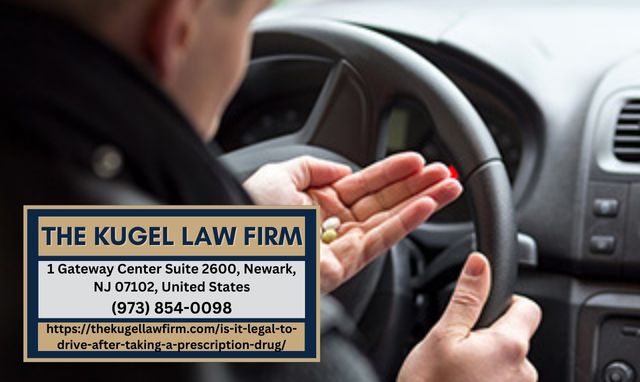
Is it legal to drive after taking a prescription drug?

Have you ever wondered if it’s legal to drive after taking prescription drugs? The answer is not as straightforward as you may think. While it’s possible to legally drive after taking certain prescription drugs, you can also be charged with driving while intoxicated (DWI) if the substance impairs your ability to safely operate a vehicle. This applies not only to prescription drugs but also to over-the-counter medications like NyQuil. 

If you or a loved one has been charged with a DWI after consuming prescription drugs, it’s crucial to seek legal help from an experienced New Jersey DUI lawyer. At The Kugel Law Firm, our team of skilled New Jersey DUI attorneys may be able to help you understand your rights, review possible defenses, and work towards the best possible outcome for your case. Call us today at (973) 854-0098 to schedule a consultation.

Can You Get a DUI for Prescription Drugs in New Jersey

In recent years, the enforcement of prescription drug DUI laws in New Jersey has increased to combat drugged driving. As a result, police officers have become more vigilant in identifying and stopping individuals suspected of being under the influence of drugs. Despite common misconceptions, prescription drugs can lead to a DUI arrest in New Jersey, even if they were lawfully prescribed. The penalties for a prescription drug DUI conviction can include losing driving privileges, hefty fines, and jail time.

Anyone charged with a prescription drug DUI in New Jersey should be aware of the state’s laws and potential consequences. Seeking legal counsel is recommended, and being well-informed can help navigate the situation more effectively. 

New Jersey’s DUI definition is not limited to alcohol, as driving while impaired by prescription drugs is also illegal under state law (N.J.S.A 39:4-50). A DUI offender is defined as someone who operates a motor vehicle while under the influence of intoxicating liquor, narcotic, hallucinogenic, or habit-producing drugs.

Some prescription drugs are considered narcotics under the law. To be convicted of a prescription drug DUI, it must be proven beyond a reasonable doubt that the drugs were in the driver’s system during the traffic stop and arrest and that their driving was potentially hazardous due to the medication’s consumption.

Specific prescription drugs that can be considered intoxicating under the law include cough syrup, sleeping aids, antidepressants, allergy medication, painkillers, and muscle relaxants. Even if these drugs are legally prescribed, it does not exempt someone from DUI charges. If unprescribed drugs are found in the vehicle during the arrest, additional charges, such as illegal drug possession, may also be brought against the driver.

Prescription Drug DUI Laws in New Jersey Details
Definition of DUI in New Jersey Driving while impaired by prescription drugs is illegal under state law (N.J.S.A 39:4-50). A DUI offender in New Jersey is someone who operates a motor vehicle while under the influence of intoxicating liquor, narcotic, hallucinogenic, or habit-producing drugs.
Penalties Penalties for a prescription drug DUI conviction in New Jersey can include losing driving privileges, hefty fines, and jail time. Being charged with a prescription drug DUI requires understanding the state’s laws and seeking legal counsel is recommended.
Proving Intoxication To convict someone of a prescription drug DUI, it must be proven beyond a reasonable doubt that the drugs were in the driver’s system during the traffic stop and arrest, and that their driving was potentially hazardous due to the medication’s consumption.
Types of Prescription Drugs Prescription drugs that can be considered intoxicating under the law include cough syrup, sleeping aids, antidepressants, allergy medication, painkillers, and muscle relaxants. Legal prescription status does not exempt someone from DUI charges.

Is It Illegal to Drive on Prescription Drugs?

In New Jersey, as in many other states, it is indeed illegal to drive while impaired by prescription drugs. This may come as a surprise to some, given that these substances are often legally prescribed by physicians. Nonetheless, laws against driving under the influence (DUI) apply not only to alcohol but also to prescription drugs that may impair a driver’s ability to operate a vehicle safely.

The enforcement of these laws has been increasing in recent years, as part of efforts to combat the issue of drugged driving. Law enforcement officers have been trained to identify and apprehend individuals who may be driving while under the influence of these medications.

The legal statute (N.J.S.A 39:4-50) in New Jersey specifies that an individual can be charged with a DUI if they operate a motor vehicle under the influence of intoxicating liquor, narcotic, hallucinogenic, or habit-producing drugs. This includes various prescription drugs, such as cough syrups, sleeping aids, antidepressants, allergy medications, painkillers, and muscle relaxants.

Being found guilty of a prescription drug DUI can lead to severe consequences, including loss of driving privileges, significant fines, and even jail time. Additional charges, like illegal drug possession, may be levied if unprescribed drugs are found in the vehicle during the arrest. As such, anyone facing a prescription drug DUI charge should seek legal counsel and become well-informed about their situation and the state’s laws.

Getting the Help of an Experience New Jersey DUI Lawyer

Driving under the influence of prescription drugs is a serious offense in New Jersey, and the consequences can be severe. If you or someone you know is facing DUI charges involving prescription drugs, it is essential to seek legal counsel from an experienced New Jersey DUI lawyer. 

New Jersey DUI attorney Rachel Kugel and The Kugel Law Firm have a proven track record of success in handling DUI cases and are dedicated to providing personalized, aggressive representation to protect your rights and best interests. Contact us today at (973) 854-0098 to schedule a consultation and learn more about your options for defense.

NJ DWI attorney

Can You Get a DUI for Driving on Prescription Medication? 

Driving offenses related to being “under the influence” are not just reserved for people who’ve consumed too much alcohol or taken recreational drugs. In New Jersey, police officers can charge you with a DUI even if the substance in your system is perfectly legal. In fact, you can be charged even if the medication you took was prescribed by your doctor. The law applies to over-the-counter pharmaceuticals as well as drugs prescribed by your physician, even if you’ve taken no more than the recommended dose.

If you are facing the unfortunate circumstance of being arrested for driving under the influence, do not hesitate to contact our experienced New Jersey DUI defense lawyer for prompt assistance. At The Kugel Law Firm, we are experienced in handling such cases and can provide you with guidance to identify the strongest legal arguments for your defense. You can reach our New Jersey offices at (973) 854-0098 to schedule a consultation.

New Jersey DUI Charges – Driving Under the Influence

In New Jersey, the charge for being under the influence of prescription drugs is classified the same as a DUI (Driving Under the Influence). This means you could be charged under exactly the same laws that apply to those who are drunk or have taken illegal substances.  If you’re suspected of being under the influence, a police officer can ask you to take a blood or urine test to check which substances are in your system and at what concentration.

Topic Details
DUI Charges for Prescription Medications Driving Under the Influence (DUI) – the charge for being under the influence of prescription medications. In New Jersey, the same laws that apply to those who are drunk or have taken illegal substances are used to charge individuals under the influence of prescription medications.
Penalties for DUI Charges Potential penalties include jail time, hefty fines, license suspension, and drug counseling. The severity of the offense determines the extent of the penalties imposed.
Testing for Substance Presence Suspected individuals may be asked to undergo blood or urine tests to determine the presence of substances in their system and the concentration of those substances.

When Can You Drive on Prescription Medication?

Is it legal to drive after taking prescription drugs? That depends on whether your prescription medication impairs your ability to safely operate a motor vehicle while you’re driving.

That’s right – in the case of prescription or over-the-counter drugs, the law is not automatically broken just because a blood or urine test shows that you have it in your system.

With medications, there’s no minimum blood alcohol content (BAC) level like there is with alcohol, where the result of the test alone is enough to lead to a criminal offense. 

But that doesn’t mean that you can’t break the law. 

To “safely operate” a vehicle, you must be alert and able to react to the conditions of the road, the weather, and any hazards. If the actual effects of your medication make you unable to safely operate a car, you could be charged even if you’ve taken the smallest possible dose.

The outcome of your case ultimately comes down to the definition of “impaired.”

When Does a Prescription Medication Make You Impaired?

The truth is, whether a person is considered “impaired” or not is subjective. Five different people could well have five different opinions on where exactly the line is crossed. 

A police officer may use the following examples to argue that you’re impaired: 

  • Slurred speech 
  • Acting tired or sleepy 
  • Unfocused eyes
  • Shaky hands
  • Being unstable on your feet

You could get a DWI charge if the arresting police officer witnessed these behaviors along with unsafe driving, such as weaving in and out of lanes or running intersections. You could face worse consequences if you’re actually involved in a collision or accident.

How to Stay Safe When Driving and Using Prescription Drugs

Based on the characteristics outlined above, the best way to keep yourself safe when driving is to carefully analyze the prescription drug that you are taking. 

  • Make sure that you read all of the potential side effects of your prescription carefully.
  • Understand the effects that your prescription can have on your body and state of mind.
  • Consider how these effects could affect your ability to drive safely.
  • When starting a new prescription drug that might impair your cognitive ability, wait at least 24 hours, ideally 48, before driving.
NJ DWI attorney

One warning that should catch your eye is if your pill bottle warns you not to operate heavy machinery. After all, cars are very large machines.

It goes without saying that if you’re taking more than one prescription drug, you also need to understand the side effects when the drugs are taken together. 

Your doctor can provide you with the information you need to make the best decision for you. You should also ask your doctor whether they believe it would be appropriate for you to drive.

You are the best judge of how your body reacts to a particular drug. However, you should give your body adequate time to actually react so that your assessment can be based on fact. Leaving time after taking a new drug also means you can assess how long any side effects last. Every person reacts and metabolizes substances differently.

Driving on Xanax

Similar to other potent prescription medications, Xanax poses a significant danger to individuals who drive while under its influence. Many individuals who misuse Xanax often combine it with alcohol to amplify its effects, resulting in impaired judgment and compromised driving abilities. In accordance with the laws of New Jersey, operating a motor vehicle while under the influence of drugs that impact the central nervous system is considered illegal. Should you be pulled over by a police officer, and they determine that you are under the influence of Xanax, the state may proceed to arrest you and bring charges for Driving Under the Influence (DUI).

Although law enforcement officers may face challenges in precisely identifying the influence of a specific prescription drug, many individuals who misuse Xanax often consume alcohol to enhance its effects, making it more noticeable to an observing officer. Typically, if an officer suspects a driver to be under the influence of a substance other than alcohol, they may seek the assistance of a Drug Recognition Expert (DRE). The DRE will inquire about the individual’s drug history, examine physical symptoms, and perform other assessments to detect the presence of any drugs that could impact the central nervous system. If the DRE is unable to definitively determine the drug involved, but there is substantial evidence indicating impaired driving, the police have the authority to arrest the individual and request a urine sample. If an officer requests a urine sample, it is advisable to seek the guidance of an experienced DUI defense lawyer to ensure that your rights are protected and to receive appropriate legal advice.

When Should I Contact a Lawyer for a DWI?

As you can see, there is no black-and-white rule when it comes to what is acceptable when driving under the influence of prescription drugs. In many cases, the issue of impairment comes down to the police officer’s testimony against yours.

But the truth is that the prosecution has a high bar to meet in prescription drug cases. They have to show beyond reasonable doubt that your ability was impaired. That’s not easy. But you do need a great lawyer to help you analyze the evidence to your advantage.

As soon as you can make a phone call, you should contact an attorney who specializes in representing clients against DUI charges in New Jersey. A DUI lawyer can help you identify the best legal arguments in your defense. Schedule a no-risk case consultation now with the DUI attorneys at The Kugel Law Firm. You can contact us at (973) 854-0098 to schedule a consultation.


from Kugel Law Firm – DWI/DUI Defense in New York & New Jersey https://thekugellawfirm.com/is-it-legal-to-drive-after-taking-a-prescription-drug/

Thursday, November 30, 2023

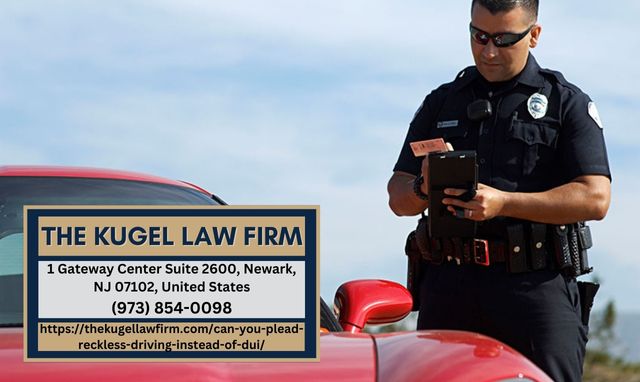
Can You Plead Reckless Driving Instead of DUI?

Drunk driving and reckless driving charges often come hand in hand. In many cases, drivers get pulled over when police officers believe they’re seeing reckless behavior. A traffic stop can then lead to a field sobriety or breathalyzer test, which can lead to a DUI charge. In some cases, you may be charged with both DUI and reckless driving. And while both are serious offenses in New Jersey, DUI has a set of penalties and fines that are different with reckless driving.

Not all drunk driving counts as reckless driving. You may get charged with a DUI at a traffic checkpoint – not because anyone witnessed you driving recklessly. The opposite is also true: you could be found guilty of reckless driving even if you’re sober. What’s the best way to navigate these charges? Usually, reckless driving tends to have less severe penalties and fines compared to a drunk driving offense. Some states treat reckless driving as a “less serious” version of a DUI, although both come with significant consequences, including the possibility of criminal charges that stay on your record for years.

The best course of action when facing a DUI or reckless driving charge is to talk to an experienced New Jersey DUI lawyer as soon as possible. The outcome of your case will depend on the unique facts of your situation. An attorney can recommend a strategy once they analyze the details of your case and take stock of the state’s evidence against you. Contact The Kugel Law Firm at (973) 854-0098 for a confidential consultation and start building a strategic defense for your situation today.

New Jersey DUI attorney

What’s the Difference Between Reckless Driving and DUI?

In order to be charged with a DUI or DWI in New Jersey, you must be under the influence of alcohol or drugs (illegal or prescription). Evidence to prove intoxication usually involves results from a breathalyzer test, field sobriety test, or blood test.

Meanwhile, you can drive recklessly even if you’re not under the influence of anything.

In New Jersey, reckless driving involves endangering people or property with willful or wanton disregard for the rights or safety of others. You could be charged with reckless driving if you knew you were driving dangerously and continued anyway.

Even sober drivers can get pulled over for reckless driving, which could look like:

  • Driving the wrong way down a one-way street
  • Ignoring or speeding through stop signs or traffic lights
  • Excessive speeding, especially in construction zones
  • Tailgating, weaving through traffic, or racing other drivers
  • Operating a dangerous vehicle or improperly secured cargo
  • Road rage or using a motor vehicle as a dangerous weapon

The consequences for reckless driving vary based on the severity of your case and whether this is your first offense. You could face civil fines or penalties (such as getting your license suspended or revoked) or a criminal record for a misdemeanor or felony crime.

For example, speeding 5-10 MPH over the speed limit may simply get you a traffic ticket and civil fine. But speeding over 100 MPH or double the speed limit could rise to the level of a misdemeanor crime of reckless driving, with jail time. Engaging in this kind of reckless driving while under the influence of drugs or alcohol could elevate the criminal charges to a felony, where you face both reckless driving and DUI charges.

Reckless Driving DUI/DWI
Definition Endangering people or property with willful or wanton disregard for the rights or safety of others Driving under the influence of alcohol or drugs
Intoxication Not required Required
Consequences Civil fines or penalties, criminal record for misdemeanor or felony offense Civil fines or penalties, criminal record for misdemeanor or felony offense, license suspension or revocation

Can You Plead Reckless Driving Instead of DUI?

In New Jersey there are statutes that limit the types of offers that prosecutors are allowed to make in order to attempt to resolve a case. This means that a plea to an alternative traffic offense does not come easy.

That does not mean that alternative plea agreements are never reached but they cannot be based on a “plea bargain” and instead must be based on the state’s inability to prove the case beyond a reasonable doubt. This is why it is so important to have a DWI lawyer on your side who can point out to the prosecutor the weaknesses in their case and argue why your matter might require such a diversion. 

Reckless Driving vs. DUI  in New Jersey

Drunk driving and reckless driving are often related but distinct charges in New Jersey. A driver may be pulled over for exhibiting reckless behavior, which can then lead to a field sobriety or breathalyzer test and a subsequent DUI charge. Not all drunk driving counts as reckless driving, and conversely, reckless driving can occur even when a driver is sober. Penalties and fines for reckless driving are generally less severe than those for a DUI, but both charges come with significant consequences, including the possibility of a criminal record.

According to N.J.S.A 39:4-96, reckless driving in New Jersey involves endangering people or property with willful or wanton disregard for the rights or safety of others. It disregards safe driving rules regardless of the potential for harm. Examples of reckless driving behaviors include driving the wrong way down a one-way street, excessive speeding, tailgating, and road rage. Consequences for reckless driving depend on the severity of the case and the driver’s history, ranging from civil fines and penalties to a misdemeanor or felony criminal record. Those convicted may be subject to fines, license suspension, mandatory driving courses, and, in extreme cases, imprisonment.

Conversely, driving under the influence (DUI), as defined under N.J.S.A. § 39:4-50, involves driving with a blood alcohol concentration of 0.08% or more for individuals aged 21 and above, or while influenced by a Schedule 1 drug like heroin. Being convicted of DUI results in significant consequences, including fines, suspension of a license, mandatory participation in alcohol education programs, and the possibility of imprisonment.

Despite being distinct traffic violations, a driver may find themselves facing both reckless driving and DUI charges simultaneously. The distinction lies in how these offenses are handled within the legal system: reckless driving is treated as a violation but not necessarily a crime, whereas DUI is a conventional criminal charge. As a result, reckless driving does not appear on a criminal background check, unlike DUI. Upon a DUI conviction, a motorist’s driver’s license is automatically suspended for a designated period. However, with a reckless driving charge, a driver doesn’t automatically lose their driving privileges. Both offenses are considered serious traffic violations, carrying significant penalties for breaching the law.

In New Jersey, pleading reckless driving instead of DUI is not a straightforward process. Statutes limit the types of offers prosecutors can make to resolve a case, so an alternative traffic offense plea does not come easily. However, alternative plea agreements can be reached based on the state’s inability to prove the DUI case beyond a reasonable doubt. This is why it is essential to have a DWI lawyer who can identify weaknesses in the prosecutor’s case and argue for a diversion.

At the Kugel Law Firm, we handle these types of charges every day for our clients. Schedule a no-risk case consultation with our leading DUI/DWI attorneys now. You can contact us at (973) 854-0098.


from Kugel Law Firm – DWI/DUI Defense in New York & New Jersey https://thekugellawfirm.com/can-you-plead-reckless-driving-instead-of-dui/

Wednesday, October 18, 2023

What Are the Consequences of Refusing a Breathalyzer Test in NJ?

Breath tests are an essential component of law enforcement efforts to combat driving under the influence of alcohol (DUI) in New Jersey. The state takes a strong stance against drunk driving and understanding these tests and their implications is crucial for anyone seeking to avoid DWI/DUI charges and their harsh penalties. 

Under New Jersey’s implied consent laws, drivers are expected to comply with a breath test when requested by law enforcement during a traffic stop. New Jersey imposes strict penalties for individuals who are convicted of a DWI/DUI and who are found to have refused the breathalyzer test. If you have been charged with a DWI/DUI, getting the help of a skilled New Jersey DUI attorney is a crucial step in protecting your rights. Led by top-rated attorney Rachel Kugel, our team of experienced DWI/DUI attorneys at The Kugel Law Firm works diligently to provide quality legal representation to New Jersey residents who have been charged with impaired driving offenses, such as breathalyzer test refusal. Contact us today at (973) 854-0098 to schedule a free strategy session.

New Jersey DWI Laws

New Jersey laws prohibit anyone from operating a motor vehicle under the influence of alcohol, narcotics, and hallucinogenic or habit-producing drugs. The legal blood alcohol concentration (BAC) threshold for a driver is 0.08%. For commercial drivers operating commercial vehicles, the limit is 0.04%. Meanwhile, drivers under the age of 21 are held to a zero-tolerance policy when it comes to drunk driving.

New Jersey DWI laws enforce penalties based on the severity and frequency of offenses. Penalties can include fines, license suspension, installation of an ignition interlock device (IID), and even imprisonment. The penalties depend on the BAC of the offender and the number of prior offenses they have.

For instance, a first-time offender may face a fine between $250 and $400, along with a three-month license suspension or three-month ignition interlock requirement. Those with a BAC of 0.10% or higher face a fine between $300 and $500 and a license suspension of seven months or an ignition interlock requirement for 7 months. For motorists with a BAC at or above .15, even a first offense will require both a license revocation of four to six months and an ignition interlock requirement during that time and for 9-15 months thereafter. Subsequent offenses come with increased penalties, including longer license suspension periods and potential imprisonment.

What is the Implied Consent Law in New Jersey?

In New Jersey, any driver using the roads is deemed to have implicitly provided their consent to submit to a breathalyzer test when requested upon probable cause by law enforcement. This is referred to as the Implied Consent Law in New Jersey. If a driver refuses to submit to a breathalyzer test following a traffic stop made on suspicion of a DWI/DUI, this can result in additional charges and penalties if you are convicted of the DWI/DUI.

Refusal to take a breath test in New Jersey will typically result in a separate summons for the violation, in addition to any DWI charges the driver may face. The penalties for refusal vary depending on the number of prior offenses the driver has.

For first-time refusal offenders, the penalties include a fine between $300 and $500 and a suspension or ignition interlock device for 9-15 months. For second-time offenders, the penalties include a fine between $500 and $1,000, in addition to a 1-2 year license suspension as well as the installation of an ignition interlock device upon restoration for a period of 2-4 years. The penalties continue to increase for subsequent offenses, with the potential for significant fines, license suspension, and interlock installation requirements.

It’s worth noting that even if a driver refuses a breathalyzer test, law enforcement may in certain circumstances obtain a warrant to conduct a blood test to determine their BAC.

How Breathalyzer Tests Work

Breathalyzer tests offer a quick and non-invasive way to measure a person’s BAC by estimating the alcohol content in their breath. These devices work by analyzing the alcohol molecules in the exhaled air and converting that measurement to a BAC reading.

In New Jersey, law enforcement primarily uses the Alcotest 7110 MKIII-C, which combines infrared spectrometry and fuel cell technology. The device provides results that can be used as evidence in court against the driver, as long as the device was properly maintained and calibrated or tested and conditions of admissibility are met. 

It’s essential for people in New Jersey to be aware of the state’s DWI laws and the consequences of refusing a breathalyzer test. For those who find themselves facing a breathalyzer test or DWI charges, understanding the relevant laws and their rights can make all the difference.

Refusing a Breathalyzer Test in New Jersey

In the state of New Jersey, every driver faces a dilemma when confronted with a breathalyzer test during a traffic stop. Although the laws in New Jersey are stringent, you may be wondering if it is a good idea to refuse a breathalyzer test. Law enforcement officers themselves have to provide an explanation with a script provided by the New Jersey Attorney General and advise the driver of the potential consequences of refusing a breathalyzer test before administering it. 

How to Conduct Yourself When Stopped for DWI/DUI

When a police officer stops you on suspicion of a DWI/DUI and requests you to answer questions or submit to physical and balance tests, you have the right to politely refuse. Here are some steps to follow:

  1. Remain calm and polite during the entire interaction with the officer.
  2. Clearly inform the officer that you will not be taking field sobriety tests. It is essential to be firm but polite.
  3. Do not argue or resist the officer’s subsequent actions, such as handcuffing or placing you under arrest. Resisting may lead to additional charges.
  4. If you’re placed under arrest, exercise your right to remain silent until you’ve consulted with a lawyer.

It is important to understand that refusing tests does not mean you won’t be charged with a DUI. The officer may use other evidence, such as your behavior or appearance, to charge you. It does, however, mean the prosecution will not have the specific data as evidence against you.

What Actions Can Be Considered as Refusal 

Aside from telling the officer outright that you are refusing the breathalyzer test, the following actions can also be considered as refusal.

  • Not responding or remaining silent when asked: If a person doesn’t express a willingness to take a breath test, their silence is generally seen as a refusal. It’s important to note that a person’s right to remain silent doesn’t apply to questions about breath tests.
  • Providing short samples: Even if someone consents to a breath test, providing a small sample or intentionally blowing less than required can result in a refusal charge. It’s also possible that someone may not be able to blow with sufficient volume for a valid reading.
  • Delaying the test: If someone deliberately delays or stalls the administration of a breath test, it can be interpreted as a refusal. The Supreme Court of New Jersey has stated that someone suspected of drunk driving has no right to delay breath testing.
  • Conditional Consent: Anything other than an unambiguous and unconditional agreement to take a breath test may be seen as a refusal. This includes responses such as “if…”, “can you tell me…”, or anything else that is not a clear and unconditional “yes” to taking the test.

Legality of Refusing a Breathalyzer Test

Refusing a breathalyzer test is legal, but it comes with consequences as per New Jersey’s implied consent laws. When you obtain a driver’s license in the state, you implicitly agree to submit to a breath test if you are suspected of drunk driving.

If you refuse a breathalyzer test in New Jersey, you may face the following penalties:

  • First-time refusal: A minimum fine of $300 to a maximum of $500, an ignition interlock device installed in your vehicle for 9 to 15 months or driver’s license suspension for that time period.
  • Second-time refusal: A fine ranging from $500 to $1,000, a 1-2 year license suspension followed by an ignition interlock device installed in your vehicle for 2 to 4 years. 
  • Third-time refusal: A $1,000 fine, a suspension of your license for 8 years followed by an ignition interlock device installed in your vehicle 2-4 years. 

Moreover, refusing a breathalyzer test exposes you to additional penalties under the New Jersey Motor Vehicle Commission (MVC) surcharge system. This includes annual surcharges during a specified number of years.

Refusal Instances Penalties
First-time refusal Minimum fine of $300 to a maximum of $500,
Ignition interlock device installed in your vehicle for 9 to 15 months OR driver’s license suspension for that time period
Second-time refusal Fine ranging from $500 to $1,000,
1-2 year license suspension followed by an ignition interlock device installed in your vehicle for 2 to 4 years
Third-time refusal $1,000 fine,
Suspension of your license for 8 years followed by an ignition interlock device installed in your vehicle for 2-4 years

Common Reasons for Refusal

The reasons for refusing a breath test might vary, but some common reasons include:

  • Fear of inaccurate results: Breathalyzer devices can produce false readings due to improper calibration, medical conditions, or other factors. This may lead drivers to question the accuracy of the test and prefer to refuse.
  • Lack of trust in the police: Some drivers might not trust the police officer administering the test or the motives of the officer requesting the test.
  • Panic: Being pulled over and accused of drunk driving can be a stressful and nerve-wracking experience for the driver, leading to a panic-driven refusal.

In New Jersey, refusing a breathalyzer has consequences, and drivers should weigh the pros and cons before deciding whether or not to accept or refuse the test. Consulting with a DUI attorney can help drivers navigate this complex decision and its potential legal ramifications.

Immediate Consequences of Refusing a Breathalyzer Test

One of the most critical decisions you might need to make when pulled over on suspicion of driving under the influence (DUI) is whether to submit to a breathalyzer test or not. Many people refuse the test in the hope that it will better their chances of avoiding a DUI conviction. However, refusing a breathalyzer test can lead to several immediate consequences.

Observational DUI Charges vs. Breathalyzer Test Refusal

When a police officer stops a driver on suspicion of DUI, the officer has the option of placing the driver under arrest based on their observed behavior, regardless of whether a breathalyzer test is provided. If the officer has enough evidence to support a DUI charge (e.g., slurred speech, unsteady gait, or the smell of alcohol on breath), they can do so even without breathalyzer results.

Challenging Breathalyzer Test Refusal Charges

Defending against DWI charges in New Jersey can be difficult especially due to the fact that prosecutors are not allowed to plead down DWI/DUI charges. However, there are several strategies that a skilled DUI attorney can employ to possibly reduce or dismiss the charges. 

Common Defense Strategies

There are several defense strategies that can be used to challenge breathalyzer test refusal charges. The following are some of the most common:

  • Invalid Arrest or Traffic Stop: The first step to challenging a breathalyzer test refusal charge is to determine if there were any procedural errors during the arrest or traffic stop. If law enforcement did not have probable cause for stopping your vehicle or arresting you on DUI suspicions, your attorney can argue that any subsequent actions or charges are invalid. Examples of potential errors include an officer not informing you of the consequences of refusing a breathalyzer test, or not having a valid reason for stopping your vehicle in the first place.
  • Improper Administration of the Test: There are strict guidelines for administering breathalyzer tests, and improper administration can affect the reliability of test results. This can also apply to test refusal charges—your attorney may challenge the charge by raising questions about the calibration of the testing device, the officer’s training on using the breathalyzer, or other potential issues that could have affected the test. If the breathalyzer test was not administered properly, it may be possible to have the refusal charge dismissed.
  • Medical Conditions Affecting Test Results: There are instances when a person’s medical condition may affect the accuracy of a breathalyzer test or create difficulties in providing a breath sample. For example, individuals with asthma, emphysema, or other respiratory issues may not be physically capable of producing a sufficient breath sample for testing. If you have a medical condition that may have affected the results or your ability to take the test, your attorney can argue that the refusal charge is unjustified.

Why Working With an Experienced New Jersey DWI/DUI Attorney is Essential

Challenging breathalyzer test refusal charges can be a complex and often confusing process. Having an experienced DUI attorney in New Jersey can be crucial to successfully defend against these charges. A DUI attorney can help by:

  • Reviewing your case thoroughly to determine if any procedural errors occurred during your arrest, traffic stop, or administration of the breathalyzer test.
  • Developing a strong defense strategy based on the unique circumstances of your case.
  • Negotiating with the prosecution for alternative sentencing options.
  • Representing you throughout the court process and advocating for your rights and interests at every stage.

In conclusion, facing a breathalyzer test refusal charge can be incredibly stressful, but with the right legal representation, you can challenge those charges and potentially avoid the harsh penalties that come with a conviction. If you find yourself in this situation, consult a knowledgeable New Jersey DUI attorney to protect your rights and navigate the complicated legal process.

At the Kugel Law Firm, our team of experienced New Jersey DWI/DUI attorneys work diligently to provide quality legal services and representation in defending against breathalyzer refusal charges. If you have been charged with a DWI in New Jersey, our attorneys can conduct a comprehensive investigation of your case and establish a robust defense strategy. We can assist you in understanding your charges and in navigating the legal processes involved. Contact us today to schedule a free initial strategy session at (973) 854-0098


from Kugel Law Firm – DWI/DUI Defense in New York & New Jersey https://thekugellawfirm.com/what-are-the-consequences-of-refusing-a-breathalyzer-test-in-nj/

How Prosecutors Prove DUI in New Jersey

Facing a DUI charge can be incredibly stressful. Getting convicted and losing your license could dramatically affect your life. Can you beat the charges? Does the state have enough evidence to prove their case against you? How can you defend yourself?

You don’t have to accept a DUI charge without a fight. You have legal options. 

At this point, it’s important to talk to a skilled New Jersey DUI lawyer about your case. At The Kugel Law Firm, our lawyers can analyze the evidence against you and craft a strategic defense tailored to your unique circumstances. We can work tirelessly to challenge the prosecutors’ evidence, closely examine law enforcement procedures, and advocate for your rights at every step of the legal process. DUI cases are fact-specific and the outcome depends on what happened in your unique situation. You shouldn’t give up on your case. Your attorney can help you learn about how plea bargains work in DUIs and explain how you could get your case dismissed depending on the circumstances. Contact us today at (973) 854-0098 for a consultation and let us help you build a strong defense against DUI charges in New Jersey. 

This is because you may be charged with a DUI or DWI but the state may not actually have enough evidence to convict you in court. An experienced lawyer can look at the facts of your case, determine where you stand, and take steps towards a successful outcome for you.

So what does a prosecutor have to prove in order for you to be convicted of a DUI or DWI? 

NJ DUI defense lawyer

What Is a Reasonable Doubt?

In New Jersey DUI, a prosecutor must prove beyond a reasonable doubt that you operated a motor vehicle while under the influence of alcohol or drugs.

“Beyond a reasonable doubt” is a common legal term known as a standard of proof. In order to convict you of a DUI, a judge must be convinced with no reasonable doubt left about the truth.

This is a high standard of proof – much higher than “preponderance of the evidence,” which only requires a judge to be more than 50% sure that the facts more likely happened than not. A higher standard of proof makes it harder for the prosecutor to prove their case against you.

Having a higher standard of proof for a DUI conviction makes sense. After all, a DUI could have major consequences on your life, including criminal penalties and a criminal record (in New York). 

“Operating” a Motor Vehicle

To prove that you’re guilty of a DUI, the state must first prove that you were “operating” a motor vehicle. This may seem like an obvious question at first – it makes sense to assume that you’re operating a car if you’re in the driver’s seat while it’s moving.

But what if you’re in the driver’s seat and the car is parked? What if the engine is on but you’re not moving? Do you still qualify as “operating” the vehicle then?

  • In New Jersey, “operating” a vehicle is broader than actually moving the car. It could be enough to be behind the wheel with the keys in the ignition. Or standing outside the car on the side of the highway. The issue of “operation” is very fact specific and you should discuss this in detail with a skilled DWI/DUI defense lawyer who can assess whether your case involves a real issue on operation. A case can be won or lost on the “operation” issue, it is that important. 

Evidence Needed for Dui Conviction

In New Jersey, individuals facing allegations of driving under the influence (DUI) have access to several potential defenses. However, the prosecutors can utilize various forms of evidence to potentially establish your guilt. Below are the seven types of evidence that prosecutors can use to support DUI charges in New Jersey:

  • Breath Sample: If you were subjected to a breathalyzer test during or after your traffic stop, the breath sample you provided could play a crucial role as evidence in your DUI case. However, there are various approaches to challenge the results of the breath test, and it is recommended to seek guidance from your attorney on potential methods to possibly exclude these results from being presented in court.
  • Field Sobriety Test (FST) Results: If you participated in field sobriety tests (FSTs) during your traffic stop, the arresting officer’s interpretation of your performance in these tests can also serve as evidence in your DUI case. Yet, you may be able to challenge the credibility of the arresting officer’s interpretation by demonstrating improper test administration or presenting an alternative explanation for your performance.
  • The Arresting Officer’s Observations: During your DUI trial, the prosecution has the authority to call the arresting officer as a witness to testify about their observations, which encompass the period before, during, and after your traffic stop.
  • Your Statements to the Arresting Officer: The prosecutor can use any statements you provided to the arresting officer, with the arresting officer testifying about what you said on the roadside. However, there is a chance that your statements may not be considered valid in court.
  • Physical Evidence from Your Vehicle: If the arresting officer discovered an open container in your vehicle, the prosecutor might present this as indirect evidence of drinking while driving, assuming that the vehicle search was lawful.
  • Police Dash Camera or Body Camera Footage: Besides the arresting officer’s testimony about their observations, if there is video footage capturing your driving or actions during the traffic stop, the prosecutor may present this footage as evidence in your DUI case.
  • Eyewitness Testimony: If there were any witnesses to your driving behavior or the traffic stop, which could include passengers in your vehicle, the prosecutor may summon these individuals to provide sworn testimony. However, witness statements are often subject to reliability challenges, and various tactics can be employed to mitigate the impact of witness testimony in court.

If you’re facing a DUI charge in New Jersey, understanding the evidence needed for a conviction is essential to building a strong defense. At The Kugel Law Firm, our skilled New Jersey DUI lawyer can meticulously assess your case, ensuring that all essential evidence, such as breathalyzer results, field sobriety tests, and police procedures, is examined with precision. Contact us today to protect your rights and secure the best possible outcome for your situation.

Proving Impairment Under the Influence

The second part of proving a DUI involves showing that the driver was under the influence of alcohol or drugs. This process is more straightforward with alcohol than with other drugs.

New Jersey uses breath test results taken during or after your traffic stop to prove that you were under the influence of alcohol. In New Jersey, the legal blood alcohol content (BAC) limit is 0.08%. You may face increasingly severe penalties if your BAC is especially high – for example, over 0.15% in NJ.

But a breathalyzer cannot detect drugs other than alcohol. Blood tests for marijuana or cannabis aren’t accurate because THC can be detected in the body weeks or months after use. And there’s no way to field test other types of prescription medication or illegal drugs.

A prosecutor trying to prove drug intoxication may also use the following as evidence:

  • A failed Field Sobriety Test (FST), which can be challenged on the grounds that the test wasn’t administered properly or your “failure” was because of something else
  • The arresting officer’s observations, testimony, and report notes
  • Any statements you made to the arresting officer, which you could argue are inadmissible in court based on evidence rules
  • Physical evidence from your vehicle, such as open containers or traces of drugs
  • Police dashcam or bodycam footage of your traffic stop interactions
  • Other eyewitness testimony from third parties who happened to see you driving the vehicle, such as passengers or pedestrians

Not all evidence is ironclad. The evidence against you may feel overwhelming but an experienced DUI lawyer can help enforce your legal rights. You shouldn’t face the heavy hand of the law alone without a diligent advocate by your side.

Possible Defenses Description
Improper Chemical Test Administration Challenging the accuracy of the breathalyzer or blood test results based on procedural errors during testing or handling of samples.
Alternative Explanations for Behavior Presenting evidence that there were other factors (e.g., medical conditions, fatigue, stress, etc.) that may have contributed to the observed behavior or physical symptoms.
Witness Testimony Introducing eyewitnesses who can testify about the events leading up to the traffic stop and provide an alternative version of events.
Challenging Traffic Stop Arguing that the traffic stop was not based on probable cause or that the officer violated your Fourth Amendment rights.
Miranda Rights Challenging the admissibility of any statements made during the traffic stop or arrest if the arresting officer failed to read you your Miranda rights.

Can You be Charged With DUI Without Evidence

In New Jersey, an individual may face a DUI charge, but it does not necessarily lead to a conviction if there is insufficient evidence. The prosecutor must meet a high standard of proof beyond a reasonable doubt, which is challenging to achieve. To prove that the person was “operating” a motor vehicle, the state must demonstrate that they had control of the vehicle, such as being behind the wheel with the keys in the ignition or standing outside the car on the side of the highway. However, the determination of “operation” is fact-specific, and it is crucial to discuss the case’s specifics with a skilled DUI defense attorney.

Proving impairment involves demonstrating that the driver was under the influence of alcohol or drugs. While breath tests are typically used for alcohol, drug intoxication can be more complex and may require various forms of evidence, such as Field Sobriety Test results, officer observations, statements, physical evidence from the vehicle, and eyewitness testimony.

Regardless of the presented evidence, a competent DUI attorney can assist in protecting the defendant’s legal rights and questioning the evidence’s validity. It is crucial to consult with an attorney promptly to develop a robust defense strategy and discuss the specifics of the case.

How to Fight a DUI Charge

The best way to defend yourself against a DUI charge is to get an attorney to look at your case as soon as possible. DWI cases take priority in the New Jersey court system, which means your case will proceed quickly and may be heard within 60 to 120 days.

In defending yourself, your attorney may use several different strategies:

  • Challenging chemical test results for being administered or handled improperly
  • Countering the officer’s testimony with another valid explanation for your behavior
  • Introducing witnesses who will testify that they saw things differently
  • Challenging the validity of the traffic stop on probable cause grounds
  • Bringing up other legal missteps such as failing to read you your Miranda rights

A DUI conviction could mean losing your driver’s license, owing thousands of dollars in penalties and fines, or even facing criminal charges. It’s important that you take your next steps forward with confidence in your defense. The attorneys at Kugel Law can help. Schedule a no-risk case consultation with our leading DUI attorneys now. You can contact us at our New Jersey office at (973) 854-0098.


from Kugel Law Firm – DWI/DUI Defense in New York & New Jersey https://thekugellawfirm.com/beyond-a-reasonable-doubt-how-prosecutors-prove-dui/