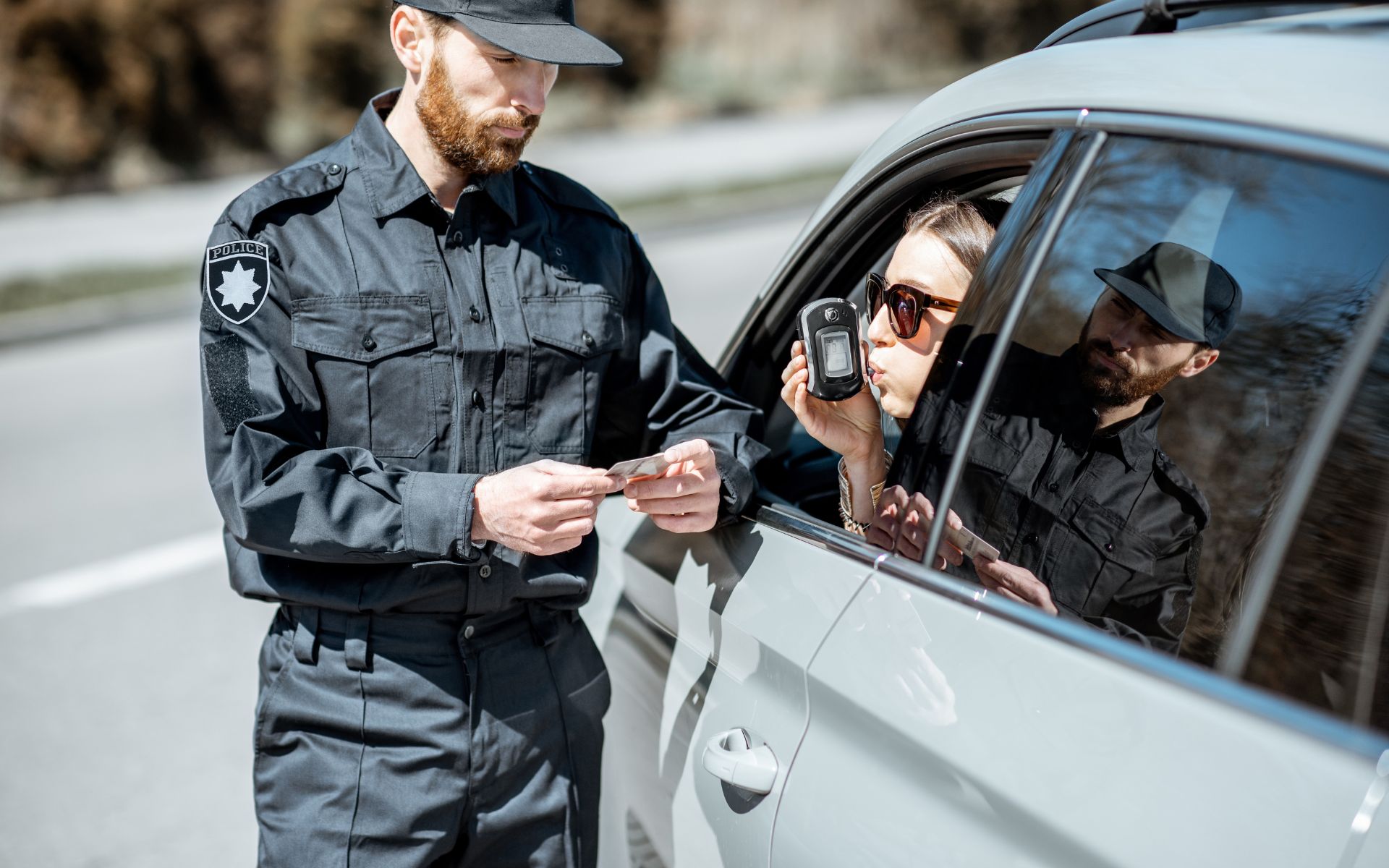
When motorists younger than 21 are accused of drinking and driving, the state utilizes a particular administrative system to handle the matter. This system, established under Vehicle and Traffic Law § 1194-a, focuses on non-criminal consequences rather than court-based penalties. The process is reserved for specific situations where a young driver is suspected of having a blood alcohol concentration between 0.02% and 0.07%, or when they decline to provide a chemical sample. If you need to learn more about VTL 1194-a DMV hearings in New York, visit the firm's website.
When This Administrative Procedure Applies
The rules set out in VTL § 1194-a govern cases where a driver under 21 is suspected of alcohol consumption. This framework is utilized when a chemical analysis reveals a blood alcohol concentration in the 0.02% to 0.07% range, provided that no criminal charges under VTL § 1192 are brought for the same event. Should law enforcement file charges under VTL § 1192 connected to the same encounter, the administrative path outlined in VTL § 1194-a is no longer the appropriate venue. Likewise, these regulations dictate how the DMV handles situations where a youthful driver declines to submit to a chemical test, assuming no § 1192 charges are pending from that incident.
Requirements for the Officer
The burden rests on the police to establish that several conditions were met during the stop. They must demonstrate that the individual was operating the vehicle, that the person was younger than 21 at the time, and that the initial stop of the vehicle was lawful. Additionally, the department must provide proof that the demand for a chemical test adhered to legal standards and that the collection of the sample—whether breath, blood, urine, or saliva—followed mandated testing protocols. If the hearing concerns a test result, the department must verify that the blood alcohol concentration level fell within the 0.02% to 0.07% range. In cases involving a refusal, the officer must show that the driver received a clear warning regarding the potential for license revocation if they did not provide a sample. The officer must support these claims using clear and convincing evidence, which is a higher threshold than simply showing a fact is more likely true than not.
License Status Before and After the Hearing
The legislation governing these proceedings does not enforce a license suspension before the hearing takes place. You are not facing an immediate loss of driving privileges simply because a hearing date is on the calendar. However, the situation changes if you fail to show up for your scheduled date without securing an adjournment. Missing the proceeding can trigger a suspension of your driving privileges, which remains in place until you successfully request and complete a new hearing. While this administrative process does not result in a criminal record, an adverse outcome can still lead to the loss of your license, which may affect your ability to travel for work or education.
Differences in Procedure
The path taken by the DMV hinges on whether the case involves a specific chemical test result or a refusal. While both scenarios are managed under § 1194-a, the timeline for filing reports and the specific questions the hearing officer must resolve differ. For instance, reports regarding test results must be sent to the DMV within 24 hours of availability, whereas refusal reports have a 48-hour deadline. Understanding which specific section governs the matter is necessary for preparing for the hearing. For the full detail, including the exceptions, read the original article from our New York DWI attorney.
About the author
Rachel Kugel has been practicing DWI defense in New York and New Jersey for over 20 years. She and her team at The Kugel Law Firm focus on defending people charged with driving under the influence of alcohol or drugs, and she is a member of the National College for DUI Defense and the DUI Defense Lawyers Association.
Our New York office
The Kugel Law Firm, 111 E 125th St, 2nd Floor, New York, NY 10035. Call (212) 372-7218 to schedule a consultation.
Also on this blog: Suppressing Breath Test Results in a New Jersey DUI Case.
Related reading: New York DWI lawyer.
The information you obtain at this site is not, nor is it intended to be, legal advice. You should consult an attorney for advice regarding your individual situation.

No comments:
Post a Comment