
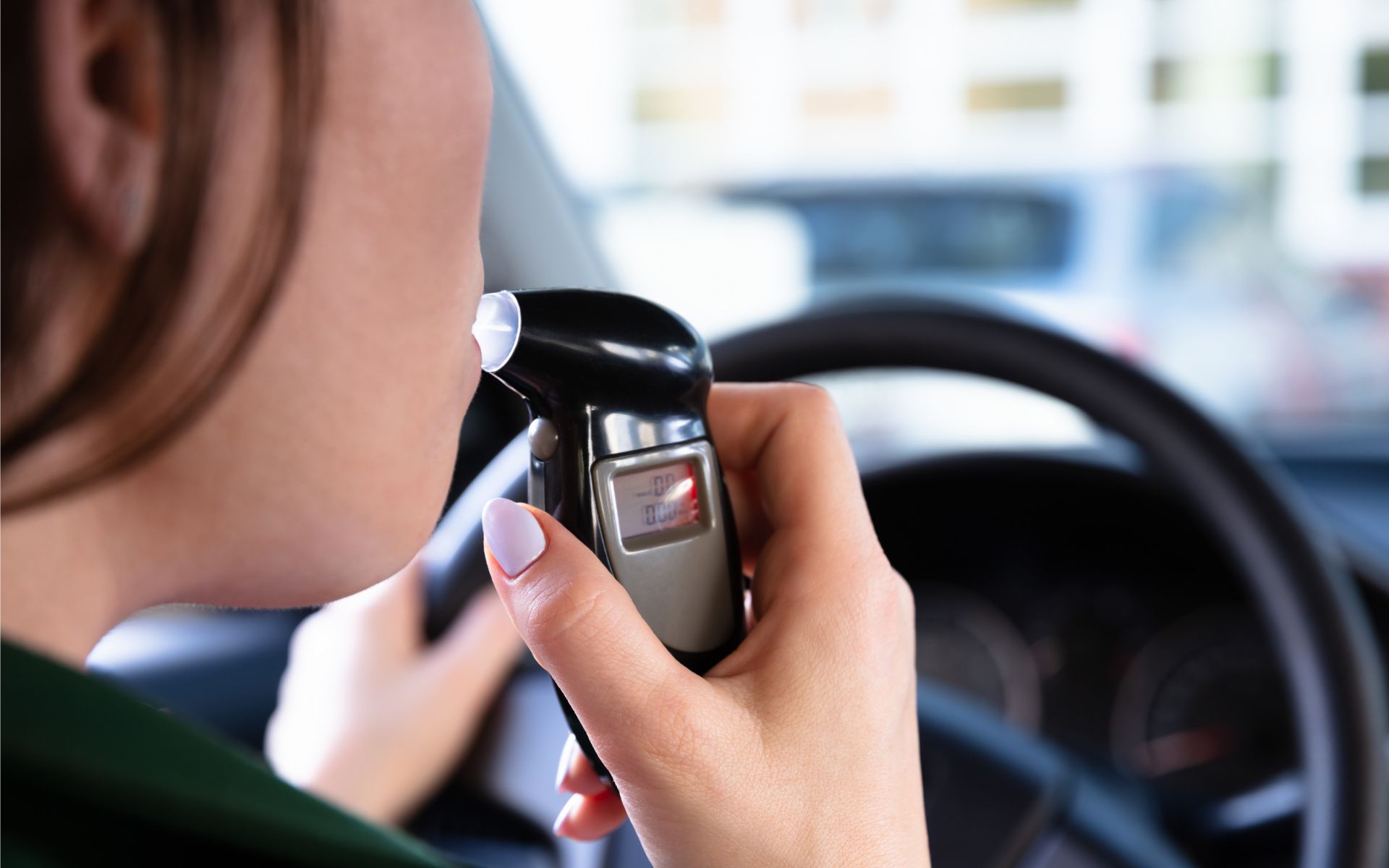
When police in New Jersey conduct a traffic stop for suspected driving while intoxicated, they often rely on breath testing equipment to gather evidence. However, receiving a high reading from an Alcotest 9510 device does not mean a conviction is inevitable. The legal process allows for challenges to the accuracy of these results, as the reliability of the evidence is not taken for granted by the court. If you need to learn more about Alcotest 9510 breath test, see the firm's website.
Understanding Breath Test Admissibility
The court demands that the State establish the proper functioning of the device and correct administration of the test before a reading is admitted. Should these requirements not be met, the defense has a basis to request the exclusion of that evidence. This is a vital step because it forces the state to demonstrate that the scientific evidence meets the necessary criteria for reliability.
Technical Challenges to the Device
The 9510 versus Older Models
The Alcotest 9510 is a newer instrument that has replaced the older 7110 model in many areas. Because it uses different software, design, and testing protocols, legal decisions regarding the older machine do not automatically apply to the 9510. The newer unit employs dry-gas technology for its standard control procedures, whereas the previous 7110 model relied on a simulator solution involving a wet bath. The Supreme Court did not provide a definitive judgment regarding the 9510's overall reliability when it closed the State v. Cunningham appeal, leaving the door open for individual arguments.
Maintenance and Calibration
Breath testing machines require consistent maintenance to ensure they provide accurate readings. Police departments must keep detailed records of calibration, repair history, and control tests. If the maintenance logs are incomplete or indicate that the machine had persistent issues, the validity of the breath test result becomes a point of contention when determining if the device functioned correctly during the collection of the breath sample.
Procedural and Human Factors
The Observation Period
New Jersey mandates that police keep a driver under constant watch for 20 minutes before administering a breath test to ensure that mouth alcohol does not interfere with the breath sample. Discrepancies in the observation process often come to light when the times noted on official paperwork are matched against recordings from the station or body cameras.
Operator Certification
The defense team reviews whether the officer followed the proper testing sequence and possessed the correct 9510 certification. They often look for errors by checking the Alcohol Influence Report against video evidence from the scene and the station.
What Happens Without the Breath Result?
Even when a breath test result is thrown out, the prosecution is not obligated to drop the DWI charge against the driver. The state may still proceed by presenting other forms of proof, such as the officer's account of the driver's behavior, performance on physical coordination tests, or signs of impairment observed at the scene. The strength of the case then rests on this remaining evidence. For the full detail, including the exceptions, read the original article from our New Jersey DWI defense lawyer.
About the author
Rachel Kugel leads The Kugel Law Firm, which devotes its practice to DWI defense in New York and New Jersey. A member of the National College for DUI Defense and the DUI Defense Lawyers Association, she has been invited to speak on DWI defense by the New Jersey State Bar Association, Garden State CLE and Avvo Lawyernomics.
Where to find us in New Jersey
The Kugel Law Firm is at 1 Gateway Center, Suite 2600, Newark, NJ 07102, and the phone is (973) 854-0098.
Also on this blog: Bicycle DUI Charges in New York.
Related reading: New Jersey DUI lawyer.
The information you obtain at this site is not, nor is it intended to be, legal advice. You should consult an attorney for advice regarding your individual situation.
