
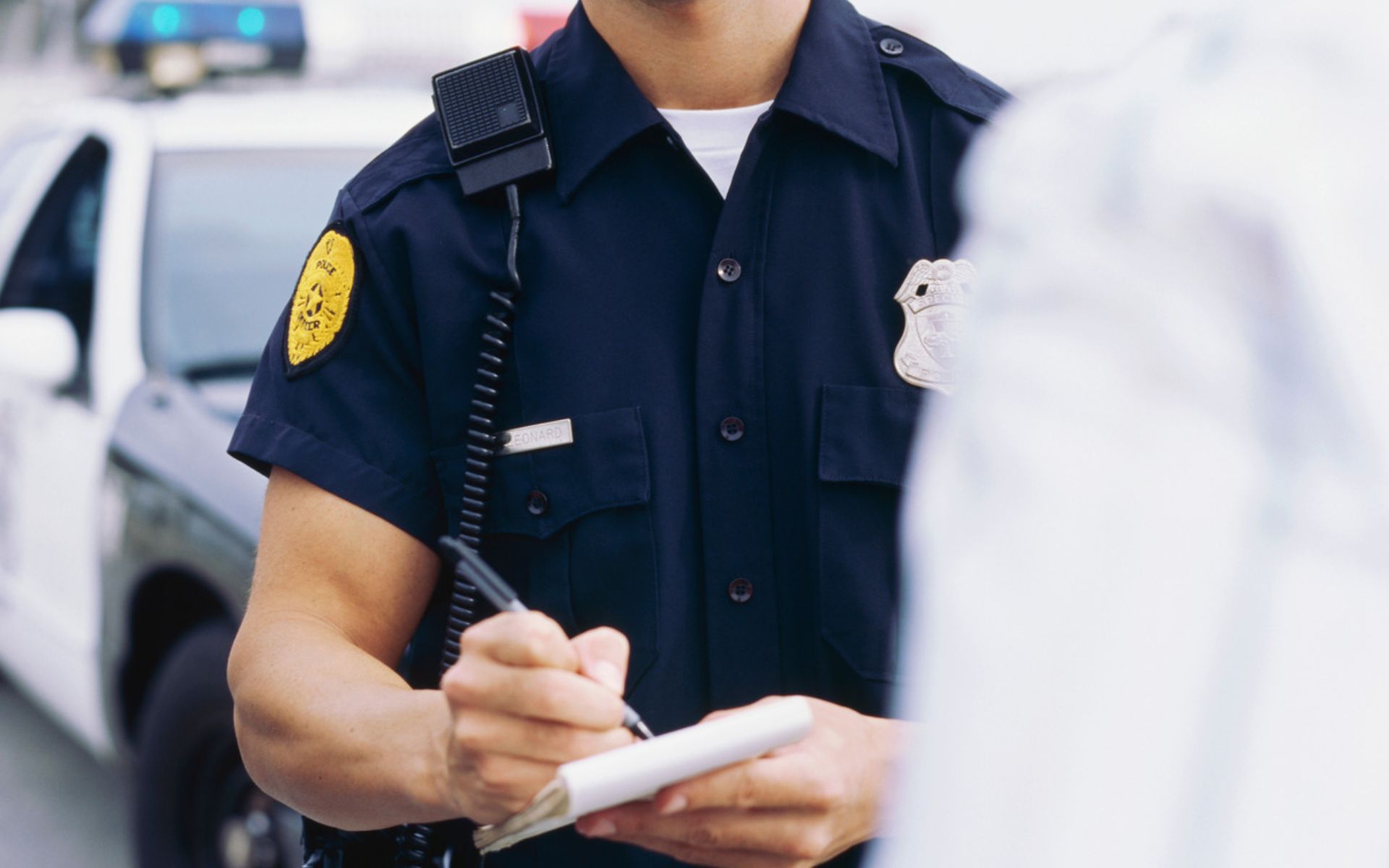
DWI charges in New Jersey are handled under Title 39 motor vehicle offenses. When an individual faces these charges, the police report contains various documents, including the officer's written narrative, the Alcohol Influence Report (AIR), summonses, certifications, and Alcotest printouts. If you need to learn more about reading a New Jersey DWI police report, visit the firm's website.
Police Report Documentation
The discovery process allows for requesting these materials from the municipal prosecutor. This collection of documents encompasses dispatch logs, audio, video recordings, and calibration records for testing instruments. Comparing these components against one another—such as checking the officer’s written narrative against dispatch logs or video footage—is a way to identify discrepancies.
Mandatory Observation Periods
Under State v. Chun (194 N.J. 54, 2008), officers must maintain a continuous 20-minute observation prior to obtaining a breath sample. Should the report fail to document this mandatory timeframe, the breath test result becomes inadmissible. This protocol applies when police utilize testing devices like the Alcotest 7110 MKIII-C or the Alcotest 9510.
Independent Breath Samples
N.J.S.A. 39:4-50.2 allows a driver to request an independent sample at their own expense. While this right exists, State v. Mercer establishes that police have no affirmative duty to inform a driver of this option. This distinction is important for those navigating the process, as failing to request an independent test does not necessarily invalidate the state's evidence.
Challenging State Evidence
While missing documentation or report errors rarely trigger an automatic dismissal of the entire case, such defects may support a defense challenge to suppress specific evidence under NJ Court Rule 7:5-2, which requires filing pre-trial motions. For example, if video footage contradicts an officer’s written narrative regarding a subject's speech or sobriety, the video evidence may override the written account.
Calibration and Testing Procedures
Unfollowed calibration procedures render Alcotest results inadmissible under State v. Cassidy (235 N.J. 482, 2018), highlighting how procedural compliance dictates evidence admissibility. Furthermore, the AIR printout is only generated when breath testing actually occurs. Because errors may lead to the suppression of specific evidence rather than dismissal, consulting with counsel before entering a plea is essential, as a plea can foreclose future challenges.
These rules govern cases handled in municipal venues throughout Hudson, Union, Essex, and Bergen counties, including the Newark Municipal Court. For the full detail, including the exceptions, see the original article by a New Jersey DWI defense attorney.
About the author
Rachel Kugel has been practicing DWI defense in New York and New Jersey for over 20 years. She and her team at The Kugel Law Firm focus on defending people charged with driving under the influence of alcohol or drugs, and she is a member of the National College for DUI Defense and the DUI Defense Lawyers Association.
Our New Jersey office
The Kugel Law Firm, 1 Gateway Center, Suite 2600, Newark, NJ 07102. Call (973) 854-0098 to schedule a consultation.
Also on this blog: Suppressing Breath Test Results in a New Jersey DUI Case and Understanding VTL 1194-A DMV Hearings in New York.
Related reading: New Jersey DUI lawyer.
The information you obtain at this site is not, nor is it intended to be, legal advice. You should consult an attorney for advice regarding your individual situation.

No comments:
Post a Comment